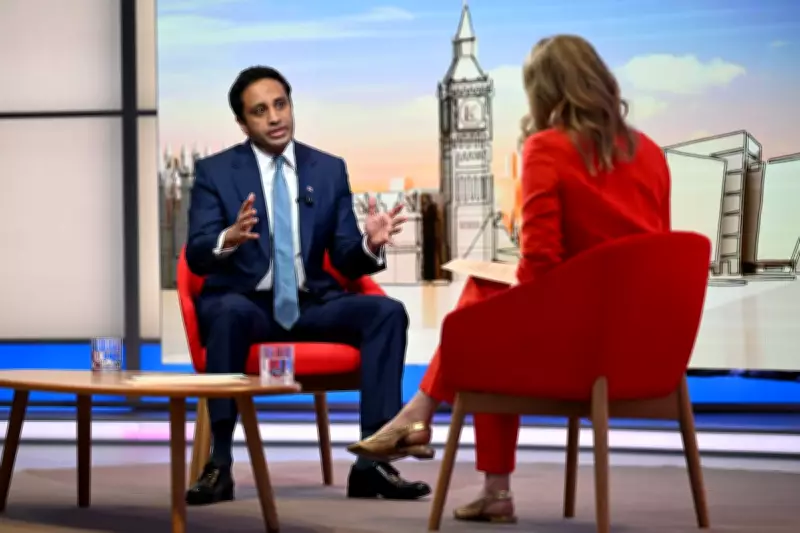
Reform UK has unveiled a controversial new policy, pledging to stop issuing visas to individuals from countries that demand reparations from the United Kingdom for its historical role in slavery. The announcement, made by the party's home affairs spokesperson, Zia Yusuf, marks a significant shift in immigration strategy, framed as a response to what the party deems insulting and financially draining demands.
Reform UK's Stance on Reparations
Zia Yusuf declared that the 'bank is closed and the door is locked' for anyone seeking to 'drain our treasury' by leveraging historical grievances. He described the calls for compensation as 'insulting', emphasising Britain's sacrifices as the first major global power to outlaw slavery. Yusuf argued that the UK will 'no longer tolerate being ridiculed on the world stage' and refuses to serve as an 'ATM for ethnic grievances of the past'.
Background and Context
This policy follows a 2023 report that recommended the UK pay approximately £18.8 trillion in reparations to 14 countries affected by the transatlantic slave trade. The issue has gained traction in political circles, with ongoing discussions among various figures. Reform UK's move is seen as a direct rebuttal to these proposals, aiming to assert national sovereignty and fiscal responsibility.

Implications and Reactions
The visa ban could impact diplomatic relations and immigration flows, particularly with nations in the Caribbean and Africa that have been vocal about reparations. Critics may argue it risks exacerbating tensions, while supporters view it as a necessary step to protect British interests. The policy underscores Reform UK's broader agenda on immigration control and historical accountability.
In related statements, Yusuf also mentioned other Reform UK policies, such as banning burkas to make streets 'feel safe', highlighting the party's focus on security and cultural issues. This announcement adds to the growing debate over how nations address historical injustices in modern policymaking.