
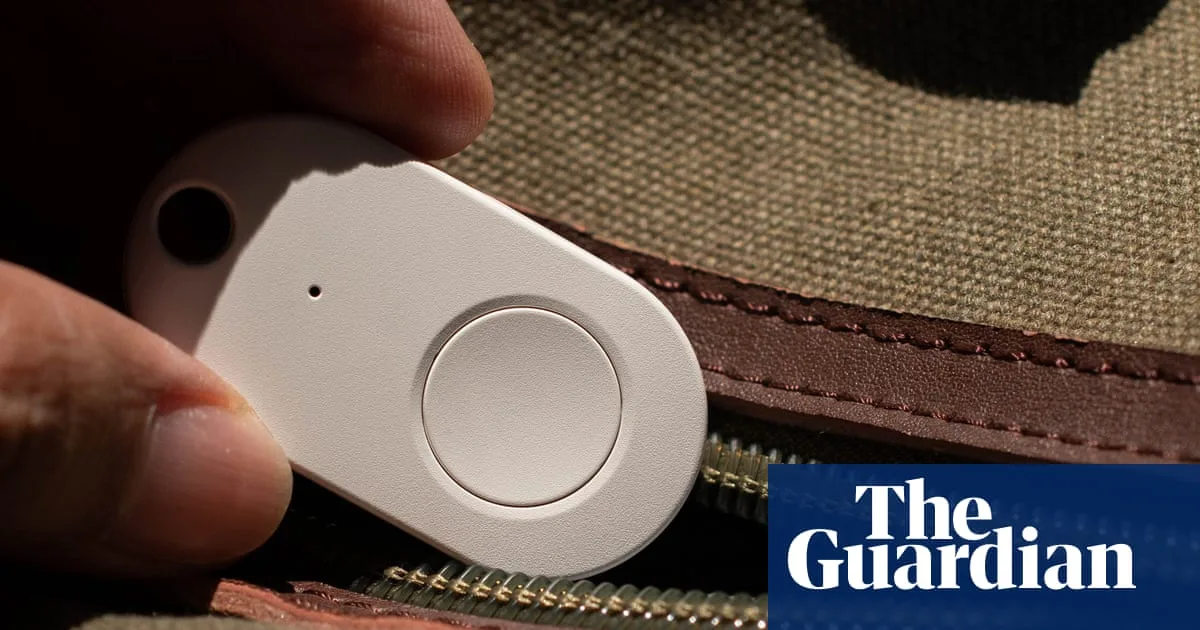
The New South Wales government will introduce legislation on Tuesday to make it a criminal offence to secretly track a person using GPS devices, following a report that found such technology is increasingly being used by domestic violence offenders.
Premier Chris Minns said technology had been 'weaponised against women, and our laws have not kept pace'. The new offence will apply where the victim is unaware they are being stalked, and a reasonable person would consider the monitoring likely to cause fear of physical or mental harm.
The move comes after a 2024 NSW Crime Commission report, Project Hakea, revealed that one in four people who bought tracking devices in the state had a history of domestic violence. Between 2010 and 2023, 82% of those charged with unlawfully using a tracking device in NSW were involved in domestic violence offences.
The report detailed cases including a man who used a GPS tracker to monitor his wife in the month before he killed her and himself, and another offender who bought more than 15 devices and installed them in the victim's car and home. The government said the new offence would not criminalise legitimate activities such as parents monitoring children's social media use.
Additional offences will target directing a third party to stalk on someone's behalf, promoting unlawful use of surveillance devices, and advertising devices in a way that encourages illegal use. The reforms build on previous changes including the criminalisation of coercive control and tougher bail laws for domestic violence offenders.




