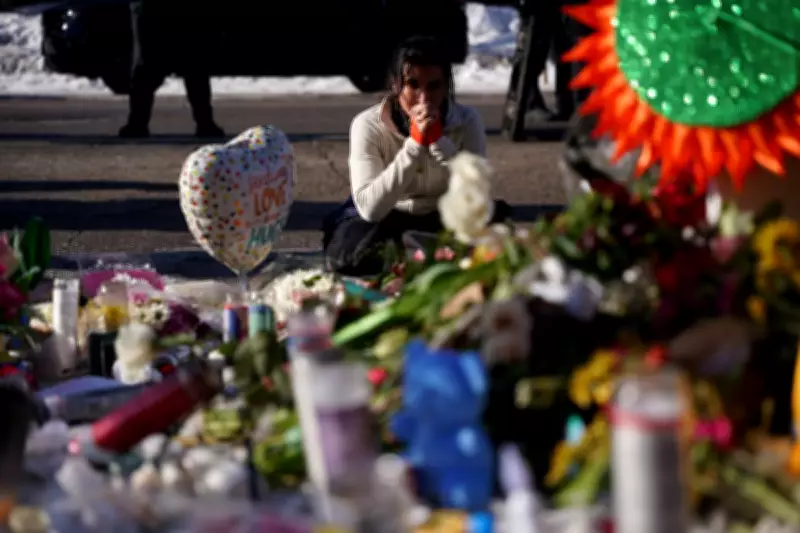
A makeshift memorial for Renee Nicole Good stands in Minneapolis, Minnesota, a poignant symbol of the escalating crisis gripping the community. As a journalist living in this midwestern state, I anticipated it would be a target for Donald Trump's political retribution, but the sheer scale and speed of the violence have been staggering.
The Onslaught of Federal Agents
When a president fixated on relitigating the 2020 election and punishing perceived enemies, Minnesota was inevitably in the crosshairs. This is the state that ignited the George Floyd protests, boasts a robust social safety net, and is governed by a vice-presidential candidate Trump despises. Yet, few could have predicted the rapid deployment of 3,000 federal agents into a smaller city, their relentless presence creating an atmosphere of pervasive fear.
The administration's rhetoric treats Minneapolis like a war zone, with officials using terms such as "in theater" and "tactical pause." In reality, this has translated into a public health emergency, with residents avoiding healthcare and two U.S. citizens, Renee Nicole Good and Alex Pretti, killed by agents. Thousands face swift detentions and deportations, often without criminal records, tearing families apart.
Community Trauma and Resilience
Daily life in Minneapolis is now consumed by this crisis. Conversations invariably begin with "How are you?" but quickly reveal that no one is truly okay. The stoic, Nordic demeanor of many Minnesotans has given way to raw emotion; I have cried with more people in a month than in my entire life prior. Stories abound of loved ones taken, children terrified, schools half-empty, and physical injuries from encounters with Immigration and Customs Enforcement (ICE).
Unless you are here, it is impossible to grasp how all-encompassing this is. Nerves are frayed, GoFundMe links circulate constantly, and businesses have shuttered or transformed into donation hubs. My attempts to maintain a daily diary became overwhelming as the sheer volume of suffering outpaced documentation. Colleagues from across the nation have arrived to cover the community's plight and its remarkable efforts at mutual aid.
Suburban Struggles and Vigilance
While viral videos often focus on Minneapolis, inner-ring suburbs are equally hard-hit, lacking the city's density and rapid response networks. Residents drive warily, scanning for SUVs with blacked-out windows. One woman joked about future therapy sessions, saying, "What do you see? Out-of-state plates on a Jeep Wagoneer." Even a car alarm triggers immediate anxiety, a testament to the constant state of alert.
Most people here are actively resisting, assisting neighbors or protesting ICE. As a city council member noted after Good's shooting, "We're not going to go quietly." There is no helplessness, only determination. Individuals take brief breaks for funerals or medical care—like a woman in a "Granny Against ICE" coat who protested after her father's death—but the fight continues.
Unforgettable Stories and Human Cost
Certain images and narratives are seared into memory: Liam Ramos in his blue hat, Good's final words, families like Cecilia's, whose parents were detained after decades in Minnesota. People have been released from detention into subzero darkness, left to fend for themselves. Yet, amid the horror, the best of humanity shines through.
Outside the Whipple building, a woman quickly organized aid for those leaving detention, providing coats and rides after her son found two women abandoned. Natalie Ehret of Haven Watch tearfully described detainees, including U.S. citizens, and recounted a panic attack triggered by interviewing a traumatized young man who reminded her of her son. "What are we doing to these young people?" she asked, urging that these stories change us all.
Long-Term Repercussions
Even if ICE withdraws tomorrow, the damage will linger. Children will remember, fractured families will never fully heal, and those hiding at home may struggle to regain trust. Unwinding this trauma seems daunting, but a broad community stands ready to navigate the aftermath.
On the day Good was killed, I watched from a snowbank as federal agents swarmed the scene. When police finally compelled them to leave, agents faced screams of "murderers" and responded with close-range gas and pepper balls. Their liberal use of "less-lethal" weapons was unprecedented in my experience. "What is this for?" I wondered aloud, a question that echoes daily as Minneapolis grapples with this brutal chapter.