Minneapolis Residents Mount Vigilant Patrols Against ICE Operations
In a striking display of community resistance, ordinary citizens in Minneapolis have transformed into a coordinated network of observers, meticulously tracking the movements of federal immigration agents across their city. This grassroots response has emerged amid a deadly enforcement crackdown that has claimed multiple lives and sparked nationwide outrage.
Confrontations on the Streets
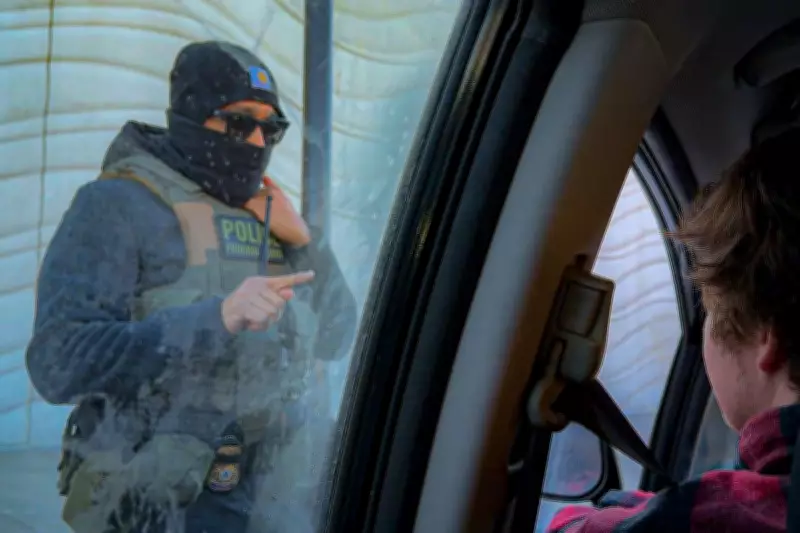
The tension between federal agents and local activists reached a dramatic peak when armed ICE officers confronted volunteers following their vehicles. "This is going to be your very last warning," one agent declared, his face obscured by a scarf, as a colleague filmed the interaction. The agent accused the activists of impeding both operations and traffic flow.
Unfazed by the threat, civil rights lawyer Will Stancil calmly asserted his constitutional rights. "I have a constitutional right to follow you. I am not impeding the traffic," responded the 40-year-old Minneapolis resident, who has become a prominent figure within the growing "ICE commuter" movement.
A Deadly Escalation
The volunteer monitoring efforts follow two particularly shocking incidents that have galvanized community response. Earlier this month, 37-year-old ICU nurse Alex Pretti was fatally shot by Border Patrol agents after reportedly intervening to assist two women during an enforcement action. This tragedy followed the killing of Renee Good, a 37-year-old poet and mother of three, who was shot by an ICE agent while acting as a legal observer.
Both deaths, captured from multiple angles, have ignited protests across the United States. The situation intensified when administration officials initially attempted to label both victims as "domestic terrorists," a characterization that further inflamed public sentiment.
Organized Resistance Networks
In response to these events, Minneapolis residents have established sophisticated monitoring systems. Volunteers maintain constant communication through secure "rapid response" phone lines that function as communal radios, pooling intelligence about the approximately 3,000 ICE agents and Border Patrol officers currently deployed throughout the Midwestern city.
"That is why, within the last six months, we have set up a home grown 911-style emergency response system," explained one volunteer who uses the code name "Blue Flame." Thousands participate in this decentralized network, with most knowing each other only by fabricated call signs due to fears of infiltration and retaliation from federal authorities.
Protecting Vulnerable Communities
The monitoring efforts extend beyond simple observation to active community protection. Volunteers have positioned themselves near elementary schools during drop-off times, responding to reports of immigrant families being seized while taking children to school. This has left many parents too frightened to make the journey themselves, prompting volunteers to chaperone children, deliver groceries to terrified families, and even walk pets for those afraid to venture outside.
"ICE have been here for weeks. They destroyed the city. They are ruining us economically," said Stancil, who has been participating in patrols for 21 consecutive days and has experienced tear gas and pepper spray during confrontations. "The cost benefit here makes no sense as an immigration operation... It only makes sense as political intimidation."
Political Motivations Suspected
Many activists believe the intense enforcement presence has little to do with immigration policy and more to do with political retribution. Minneapolis became the epicenter of nationwide protests following the murder of George Floyd in 2020, and some volunteers suspect the current crackdown represents punishment for that activism.
"I think they have a deep ideological belief that places like Minneapolis have to be brutalized and our non white neighbours have to be taken away," Stancil suggested, noting that the city hosts the largest Somali population outside Somalia, a demographic fact frequently mentioned by the former president.
Federal Response and Continued Resistance
The Trump administration has dispatched border czar Tom Homan to Minneapolis following the controversy, replacing Border Patrol commander Gregory Bovino in what appeared to be an effort to ease tensions. However, Homan's first press conference offered little comfort to activists, as he insisted the administration would not retreat from its immigration crackdown while acknowledging some missteps in implementation.
Despite warnings that protesters could face consequences for interfering with federal officers, the volunteer networks remain undeterred. "We need to think of ICE resistance as a part time job moving forward," Blue Flame stated grimly, expressing concern that similar mass deployments might target other cities. "I have never experienced anything like this in my life. This feels historic. We are living through history."
As patrols continue throughout Minneapolis neighborhoods, from mobile home parks to school zones, these ordinary citizens have transformed into a formidable monitoring force, determined to document every movement of federal agents while protecting their community from what they perceive as an authoritarian overreach.