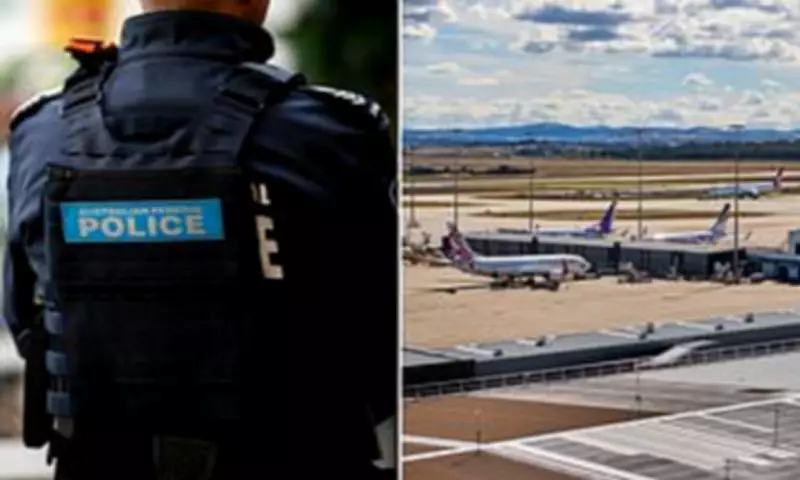
Melbourne Airport Incident Leads to Arrests Over Alleged Fake Identities
A domestic flight at Melbourne Airport was dramatically disrupted on Tuesday when a 29-year-old man and a 15-year-old boy were arrested for allegedly using fraudulent names on their boarding passes. The incident unfolded as the aircraft was taxiing toward the runway, forcing it to return to the terminal after the pair reportedly verbally abused airline staff who instructed them to take their seats.
Police Intervention and Discovery of False Documents
Australian Federal Police officers swiftly responded to the scene, meeting the man and teenager at the gate and escorting them from the plane. Upon inspection of their boarding passes, officers made a startling discovery: the names listed did not match those on their personal identification documents. This discrepancy prompted immediate legal action, with both individuals charged under serious aviation security laws.
Each faces one count of travelling using false identification information, an offence that carries a maximum penalty of 12 years imprisonment under Australian legislation. The severity of these charges underscores the gravity with which authorities treat such breaches of aviation protocol.

Legal Proceedings and Bail Decisions
The legal aftermath saw divergent outcomes for the two accused. The 15-year-old boy was refused bail and appeared before a New South Wales Children's Court on Wednesday, highlighting the strict approach taken in juvenile cases involving alleged identity fraud. Meanwhile, the 29-year-old man was granted bail and is scheduled to appear at Downing Centre Local Court on May 11, where further proceedings will determine the course of his case.
Official Statements on Aviation Security Threats
AFP Acting Inspector Craig Bruce emphasised the serious nature of flying with false credentials, noting that such actions are often employed to evade law enforcement detection. 'Fraudulent use of identity documents can facilitate other criminal activity,' he stated, underscoring the broader security implications beyond mere travel irregularities.
Inspector Bruce further explained: 'It's important that airlines are provided the correct details of all passengers on board and the AFP works closely with airline staff and partners to identify and disrupt potential threats at our airports.' This collaborative approach aims to maintain robust security measures across Australia's aviation network, ensuring passenger safety and regulatory compliance.
Broader Implications for Air Travel Security
This incident serves as a stark reminder of the critical importance of accurate passenger identification in air travel. The use of fake names on boarding passes not only violates federal laws but also poses significant security risks, potentially enabling other illicit activities. Airlines and law enforcement agencies remain vigilant in their efforts to verify passenger identities and prevent such breaches, which can lead to operational disruptions and legal consequences.
As aviation security protocols continue to evolve, cases like this highlight the ongoing challenges in safeguarding travel infrastructure. The AFP's proactive stance, coupled with stringent legal penalties, aims to deter similar offences and uphold the integrity of Australia's domestic and international flight operations.