
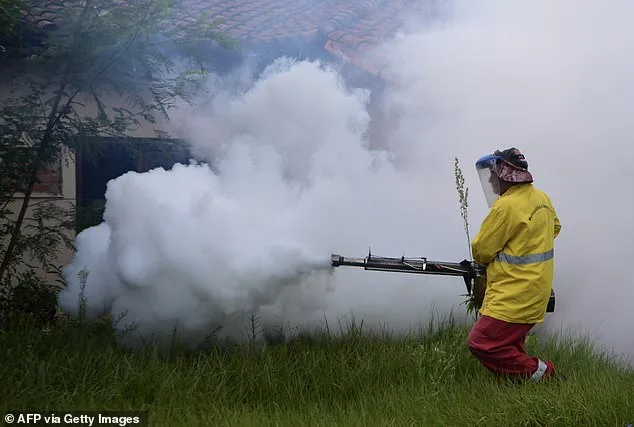
Chinese authorities have imposed quarantines in parts of Guangdong province as cases of chikungunya virus surge past 10,000 nationwide. The southern city of Foshan has reported over 7,000 infections, with patients isolated in hospital wards under mosquito nets for up to a week or until they test negative.
The US Centers for Disease Control and Prevention (CDC) has issued a Level 2 travel advisory for Guangdong, urging Americans to take enhanced precautions. Travellers are advised to use insect repellent, wear long clothing, and stay in air-conditioned or screened accommodation to avoid mosquito bites.
At least 12 other cities in Guangdong have reported infections, with about 3,000 new cases in the past week. Hong Kong confirmed its first case this week: a 12-year-old boy who developed fever, rash and joint pain after visiting Foshan in July.
Chikungunya is primarily spread by Aedes mosquitoes, the same species that carry dengue and Zika. While rarely fatal, it can cause debilitating symptoms including fever, joint pain, and in severe cases, life-threatening complications affecting the heart and brain.
Globally, around 240,000 cases and 90 deaths have been recorded in 16 countries this year as of August 4, according to the European Centre for Disease Prevention and Control. Major outbreaks have been reported in the Indian Ocean islands of La Réunion, Mayotte and Mauritius, with the virus also spreading to Madagascar, Somalia, Kenya, India and parts of Europe.
The CDC has issued elevated risk notices for Brazil, Colombia, India, Mexico, Nigeria, Pakistan, the Philippines, Thailand and China. In the US, 46 travel-related cases have been reported this year, with no deaths. Two vaccines, IXCHIQ and VIMKUNYA, are approved for at-risk travellers and laboratory workers.




