The Deadly Paradox of Marseille: Cocaine Wars and Cool Vibes
A Sunday evening in central Marseille unfolds with chilling precision. Two masked figures emerge from a car, assault rifles slung casually at their sides. Tourists strolling near the picturesque Old Port scatter in panic as the gunmen cross the street, raise their weapons, and open fire on a group of men, killing one instantly. This brutal incident is just one of many in a city where violence has become disturbingly routine.
A Grisly Tally of Violence
Only four days earlier, as 2026 dawned, the charred remains of a 17-year-old boy were discovered in the boot of a torched car in Marseille's northern districts. This followed a similarly horrific find on Christmas Day. In any other European city, such events would trigger widespread alarm, but in Marseille, they are grimly attributed to the ultra-violent cocaine wars that rage with video game-like frequency. Locals often respond with a resigned Gallic shrug, a testament to the normalisation of this brutality.
From Heroin Hub to Cocaine Gateway
Half a century ago, Marseille served as a major hub in the infamous French Connection heroin route, smuggling drugs from Asia to the United States. Today, it has transformed into a critical entry point for cocaine into Europe. A significant portion of this white powder is destined for Britain, where demand is exceptionally high. London alone consumes more cocaine annually than Amsterdam, Berlin, and Barcelona combined, according to reports.
Despite seizures of the drug increasing by over 50 per cent in the UK, the battle is far from won. Experts warn that cocaine availability continues to rise across the Continent. In Marseille, rival gangs fight with seeming impunity for control of this lucrative and deadly trade, complicating enforcement efforts.
The Allure of the 'Coolest' City
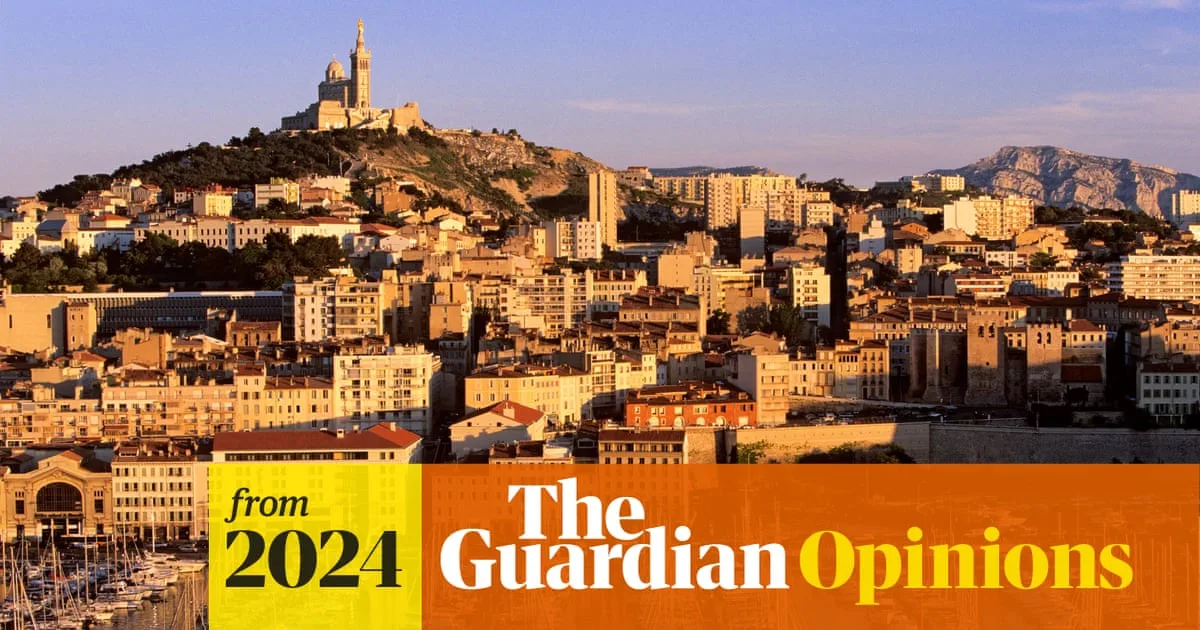
Paradoxically, while Marseille is arguably the most dangerous city in Europe, it is also celebrated as one of the coolest. British influencers and tourists flock to its shores, enthusiastically sharing their experiences on social media. They rhapsodise about the city's vibrant arts scene, acclaimed restaurants, and edgy nightlife. Time Out magazine has effusively praised Marseille, noting its 'sexy' vibe, and even street artist Banksy has left his mark here.
London-based fashion influencers Olivia and Alice Minns, with a following of 325,000 on Instagram, recently highlighted their 'beautiful' three-day visit, marvelling at the sunsets and coffee spots. The Notre-Dame-du-Mont neighbourhood, a graffiti-covered bohemian enclave, was ranked the coolest neighbourhood in the world in 2024, attracting hipsters even in cold, drizzly weather.
The Harsh Reality of the Quartiers Nord
Just a few miles north of these trendy areas lies a starkly different world. The labyrinthine council estates of the 'Quartiers Nord' are plagued by violence so severe that police often only enter in full body armour and large numbers. Here, the drugs trade is entrenched, with gangs operating with alarming brazenness.
French President Emmanuel Macron has pointedly accused urban middle-class users of fuelling this violence. He questions whether British and French consumers would reconsider their habits if they knew that children as young as 14 are hired as assassins in Marseille's turf wars. A recent book suggests these teenagers are not merely inured to violence but 'galvanised' by it, sometimes acting as if they are in a video game.
Far from operating covertly, these young hitmen can double their fees by posting footage of their kills on social media, complete with their gang's signature. This unchecked power has led some politicians to fear that France risks descending into a narco-state, akin to Colombia or Mexico. With over 90 drug-related murders in the past three years—18 in a single month—such concerns are far from hyperbolic.
Community Trauma and Government Response
Community workers in the Quartiers Nord describe a 'psychose'—a collective trauma—gripping parts of Marseille. Many believe that addressing entrenched poverty is the only way to halt the violence. Alarmingly, the number of children involved in the drugs trade has quadrupled over the past eight years.
President Macron has favoured a tougher stance, visiting Marseille before Christmas to open a new police station and announce plans to deploy 300 additional officers and triple fines for drug users. Yet, within days of his return to Paris, the killings resumed, underscoring the persistent challenge.
Innocent Victims and Ongoing Struggles
The violence inevitably claims innocent lives. Mehdi Kessaci, a 20-year-old trainee policeman, was murdered in a daytime shooting in November as a warning to his brother, Amine, an anti-drugs campaigner. Amine now lives under permanent police protection but continues his advocacy. President Macron paid a discreet visit to Mehdi's gravesite in December, vowing that the drugs gangs would not win. However, local residents remain sceptical, with one elderly man predicting that drug dealing would continue unabated, just down the road from the new police station.
As influencers celebrate Marseille's infectious energy and celebrities like Lily-Rose Depp praise its 'magical' proximity to the ocean, the city's dual reality persists. For most visitors, the dangers remain distant, experienced only from the seat of a high-speed train passing by the troubled Quartiers Nord. Yet, for those living in the shadow of the cocaine wars, the struggle for safety and normalcy continues, a poignant reminder of the complex allure of Europe's deadliest and coolest city.






