
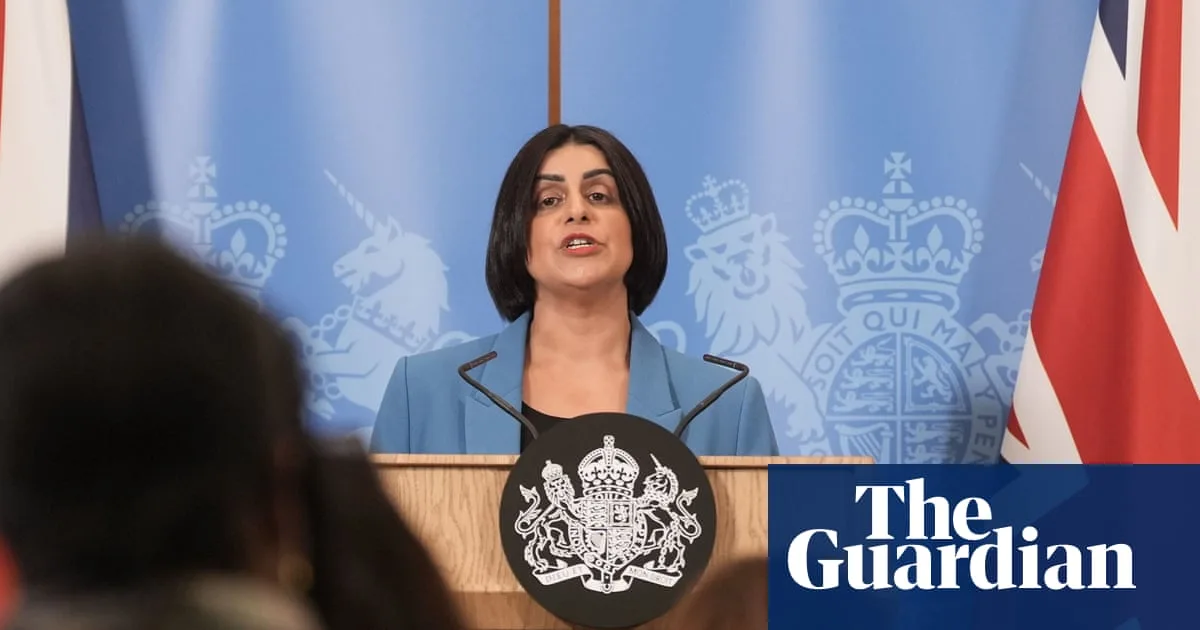
Home Secretary Shabana Mahmood has sparked a backlash from Labour MPs after unveiling a series of immigration reforms, including ending permanent refugee status and offering payments for voluntary departure. Critics within her own party have compared the plans to Donald Trump's policies and warned of a potential Windrush-style scandal.
Mahmood announced the changes in a speech in central London, stating that the generosity of the British people would become conditional on asylum seekers following the law and not working illegally. She also launched a pilot scheme offering up to £40,000 to 150 families whose asylum claims have been rejected, giving them seven days to decide whether to leave voluntarily or face forcible removal.
The proposals have put Mahmood on a collision course with Labour MPs, with Tony Vaughan organising a letter signed by 100 colleagues arguing that the plans undermine integration and social cohesion. Stella Creasy warned of a 'perpetual state of limbo' for refugees, while Sarah Owen accused the Home Office of mimicking Trump's detention of children.
Labour MPs are preparing for a possible Commons rebellion, as some of the measures require parliamentary approval. The government has laid secondary legislation to remove support from asylum seekers with criminal sentences of 12 months or more, or those deemed able to support themselves.




