Home Secretary Navigates Political Storm Over Migration Reforms
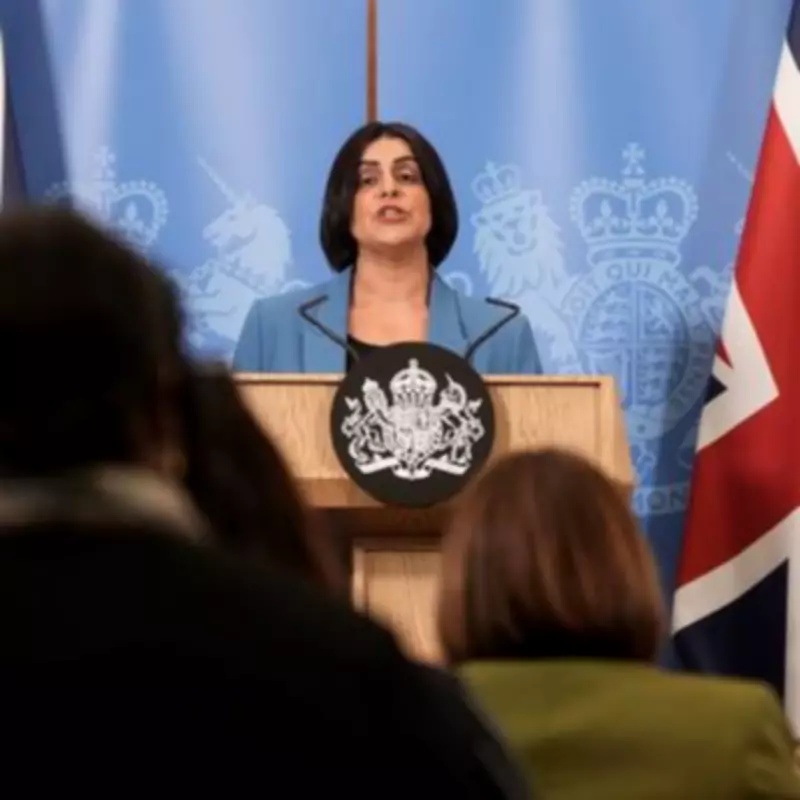
Home Secretary Shabana Mahmood has demonstrated her readiness for political combat as she walks a perilous tightrope on migration policy, defending her controversial asylum and migration blueprint against mounting pressure from across the political spectrum. The Labour minister faces what many consider the most toxic portfolio in British politics, with criticism raining down from both left-wing backbenchers and right-wing opponents.
A Dire Warning About Political Consequences
In a stark assessment of the political landscape, Mahmood issued a dire warning about the potential consequences of policy failure, suggesting that missteps on migration and asylum could ultimately hand the keys to 10 Downing Street to Nigel Farage. The Home Secretary emphasized that a single mis-step might trigger a humiliating Commons defeat by her own party members, highlighting the fragile political equilibrium she must maintain.
The controversial proposals include forcibly deporting children, overhauling settlement rules, and eliminating the right to permanent refugee status – measures that have sparked outrage among human rights campaigners and Labour's own parliamentary ranks. These dramatic policy shifts underscore the troubled times facing Britain's immigration system, according to political observers.

Facing Criticism From All Directions
Mahmood's plans have horrified numerous constituencies: Labour backbenchers, human rights organizations, and most significantly, asylum seekers and migrants themselves. The Institute for Public Policy Research (IPPR), which hosted the Home Secretary's landmark speech, had previously warned that her proposals were fundamentally unfair and would leave approximately 300,000 children in legal limbo.
Despite this criticism, Mahmood chose to deliver her key address to this left-leaning think tank, demonstrating her willingness to engage directly with her most vocal critics. "This decision shows she's up for the political scrap," noted one Westminster insider, highlighting the Home Secretary's combative approach to policy defense.
The Stakes Could Not Be Higher
Mahmood's message to doubters within her own party was unequivocal: hold your nose and support the reforms, or risk a Farage-led government that would begin sending refugees to their deaths. The Home Secretary insisted the current government is fighting for the very existence of a humane asylum system and legal migration framework in Britain.
She argued these policies align with Labour values, contending that excessive abuse and unfairness have resulted from the wave of arrivals under Conservative governance. Mahmood pointed to the immense financial costs, pressure on public services, and huge profits accumulated by human traffickers as evidence of the urgent need for decisive action.
"Restoring order and control at our border is not a betrayal of Labour values," she declared during her speech. "It is the necessary condition for a Labour government to achieve anything it hopes to accomplish."
Contentious Questions Remain Unanswered
During a challenging question and answer session following her address, Mahmood faced difficult inquiries about whether forcibly removing children – a policy the Home Office is currently consulting on – represents an appropriate solution. Critics questioned whether the government is unfairly targeting legal migrants to compensate for Conservative policy failures.
With approximately 100 backbench MPs calling for a comprehensive policy rethink, this debate has evolved into a battle for the soul of the Labour Party. Early indications suggest Mahmood's speech failed to win over many doubters, as left-wing MP Nadia Whittome expressed frustration afterward.
"We have a once-in-a-generation chance to replace a cruel, broken asylum system left behind by the Tories," Whittome vented. "Instead, the government is doubling down on dehumanising policies that will needlessly ruin lives."

An Uphill Battle With High Stakes
Mahmood clearly faces an uphill battle in implementing her migration reforms while maintaining party unity. The Home Secretary must navigate between appeasing moderate voters concerned about border control and satisfying the progressive wing of her party advocating for more compassionate policies.
As the political drama unfolds, one reality remains clear: the alternative to successful policy implementation doesn't bear thinking about for the Labour government. With Nigel Farage waiting in the wings and public opinion divided, Mahmood's handling of this toxic portfolio will likely determine both her political future and the government's stability in the coming months.