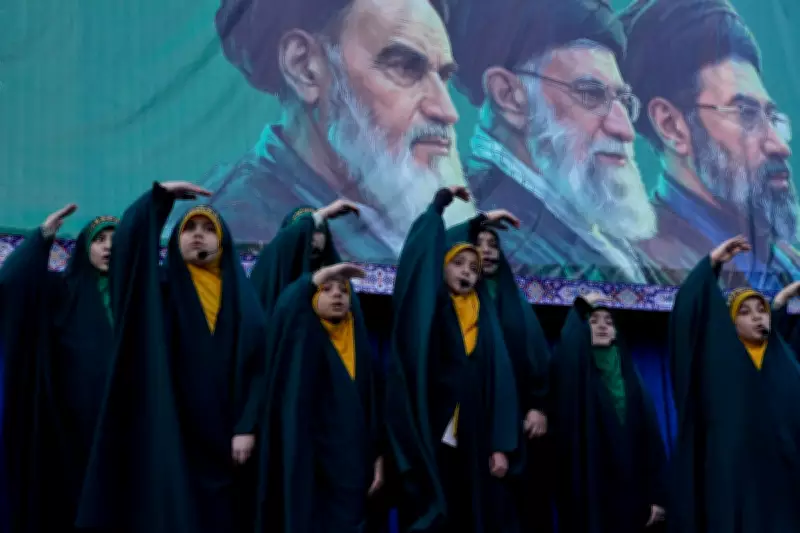
Iran’s supreme leader has declared that the Islamic Republic will protect its “nuclear and missile capabilities” as a national asset, even as U.S. President Donald Trump seeks to negotiate on these issues. Ayatollah Mojtaba Khamenei made the remarks in a written statement read aloud on Iranian state television on Thursday, his first such address since succeeding his father, Ayatollah Ali Khamenei, who was killed in a Feb. 28 airstrike.
National Assets Must Be Defended
“Ninety million proud and honorable Iranians inside and outside the country regard all of Iran’s identity-based, spiritual, human, scientific, industrial and technological capacities — from nanotechnology and biotechnology to nuclear and missile capabilities — as national assets, and will protect them just as they protect the country’s waters, land and airspace,” Khamenei said.
The statement underscores Tehran’s determination to retain its advanced military and nuclear programs, which have been a point of contention with the United States and other world powers. The supreme leader’s comments come amid ongoing diplomatic efforts by the Trump administration to secure a new agreement limiting Iran’s nuclear activities and ballistic missile development.

Strait of Hormuz Tensions
In a separate statement, Khamenei also issued a stark warning regarding the Persian Gulf, asserting that Americans belong only “at the bottom of its waters.” He emphasized that Iran and its neighbors share a common destiny and that foreign powers have no place in the region. “By God’s help and power, the bright future of the Persian Gulf region will be a future without America, one serving the progress, comfort and prosperity of its people,” he said.
The comments highlight the ongoing tension in the Strait of Hormuz, a vital waterway for global oil shipments, which Iran has effectively controlled. The United States maintains a naval presence in the region, and any confrontation could disrupt global energy supplies.
Khamenei’s statements were broadcast as breaking news updates, reflecting the heightened stakes in the region following the death of his father and the continued standoff between Tehran and Washington.