Iranian Refugees Gather in France, Targeting UK Channel Crossings
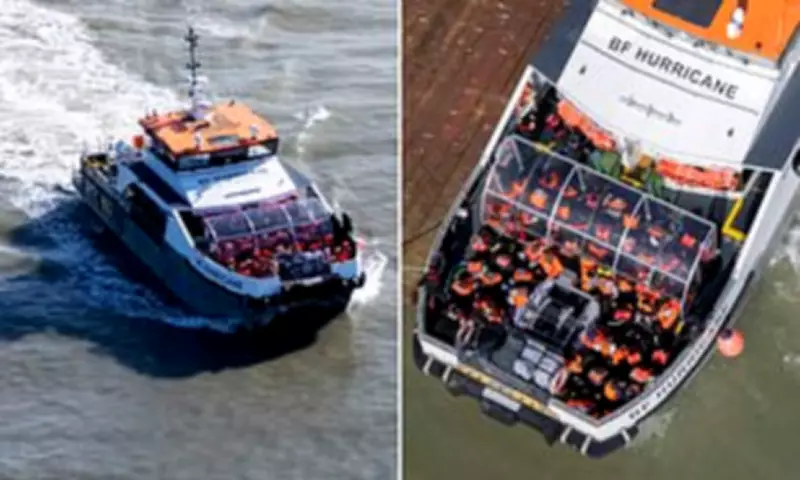
Migrants escaping the escalating conflict in Iran have begun arriving in northern France, with many declaring their intention to cross the English Channel to reach the United Kingdom. These aspiring asylum seekers are congregating at established camps near Dunkirk, following recent military strikes by the United States and Israel on Iranian territory. Their stated goal is to embark on the perilous small boat journeys to British shores.
Unprecedented Scale of Potential Migration
The European Union's asylum agency has issued a stark warning, indicating that the ongoing instability in Iran could trigger a refugee movement of "unprecedented magnitude." With Iran's population estimated at approximately 90 million, the agency's latest annual report, published this week, cautions that even partial destabilisation could rival the largest refugee flows witnessed in recent decades. The displacement of just ten percent of Iran's populace would constitute a crisis on a massive scale. This assessment was formulated prior to the commencement of US and Israeli airstrikes last Saturday.
Recent Crossing Figures and Nationality Data
The UK Home Office reported that the busiest single day for small boat arrivals this year occurred on February 26, with 605 individuals making the crossing. An additional 275 people undertook the journey earlier this week, bringing the total for the year to 2,688 migrants transported across the Channel in 42 boats. In 2025, a total of 41,472 migrants arrived in the UK via this route, marking the second highest annual figure on record. Data reveals that Iranian nationals constituted 11 percent of last year's Channel crossings. Furthermore, Oxford University's Migration Observatory has identified Iranians as the most common nationality among asylum seekers applying to the UK over the past ten years.

Personal Accounts from the Dunkirk Camp
Among those now residing at the migrant camp in Dunkirk, often referred to as "The Jungle," is 21-year-old Jiletni from Kermanshah in Iran's Kurdish region. This city, which hosts multiple missile bases and has been a focal point for anti-regime protests, has suffered a series of explosions in recent days. Jiletni recounted fleeing his homeland under cover of darkness with a friend named Fatah, citing "constant surveillance" as the primary reason for their departure. "This is why we are now seeking safety in the UK," he stated.
Another asylum seeker, 24-year-old Muhammad from Sardasht in West Azerbaijan province, arrived at the camp last week. He expressed the impossibility of returning home, stating, "I cannot go home. It has been bombed by Israelis. Also, the regime wants to kill me for my activism. The Iranian people are targets from all sides." Other migrants at the site have indicated that many more Iranians are en route to the French coast, suggesting a growing wave of new arrivals.
Political Backlash Against UK Immigration Reforms
These developments coincide with significant political controversy in the UK, as Home Secretary Shabana Mahmood faces a substantial rebellion from within her own Labour Party over proposed immigration reforms. More than 100 Labour MPs have signed a letter criticising the plans, which they argue undermine social cohesion and party values. The proposed measures include:

- Removing the legal duty to provide support to destitute asylum seekers, replacing it with a discretionary power.
- Making refugee status temporary, reducing the permission to stay from five years to 30 months for most adults.
- Offering failed asylum-seeking families financial incentives for voluntary return, with enforced removals for those who refuse.
- Implementing stricter English language requirements for settlement.
- Closing visa loopholes for nationals from specific countries with high asylum claim rates.
Critics within the party have drawn comparisons to policies under former US President Donald Trump, with one MP stating the idea of deporting children "mimics Trump's ICE detention of children." Another warned of a potential "Windrush-style scandal" resulting from the reforms. Despite the backlash, Home Secretary Mahmood maintains she has "absolute confidence" in Prime Minister Sir Keir Starmer's support and insists the "firm but fair" plans are necessary to prevent more extreme policies from rival parties.
The convergence of increased migrant flows from conflict zones and intense domestic political debate over asylum policy presents a complex challenge for the UK government, balancing humanitarian concerns with border security and public confidence in the immigration system.