A young Iranian man facing deportation from the United Kingdom has won the right to have his asylum appeal rehearted, after a tribunal judge found his claim that he would be flogged to death in Iran over an illicit affair was credible.
Forbidden Affair and a Brother's Threat
The asylum seeker, now 20 and granted anonymity by the court, insists he cannot return to Iran due to a secret nine-month relationship with his brother's wife. He claims the affair began when he was just 16 years old, while they all lived under the same roof.
His brother, who serves as a border guard in Iran's powerful and feared Revolutionary Guards Corps (IRGC), discovered the pair together. The tribunal heard that the brother then threatened the younger man with a gun.
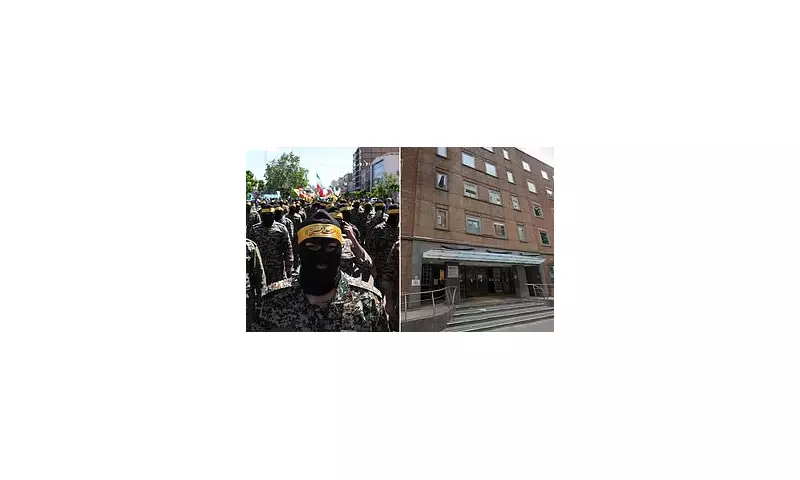
The IRGC is a 150,000-strong military branch operating separately from Iran's regular army and answers directly to the Supreme Leader. It gained global notoriety for its severe crackdown on nationwide protests in 2022, which resulted in hundreds of deaths.
Escape and Initial Rejection
Fearing for his life, the man fled Iran with the help of an uncle who, despite being furious about the adultery, assisted his nephew's escape over the rooftops. The young man entered the UK in August 2022 and claimed asylum.
In Iran, the crime of adultery can be punished by 100 lashes, a sentence so brutal it can prove fatal. Despite this, his initial asylum claim and a subsequent appeal were rejected. A First-tier Tribunal judge in February 2025 dismissed his story as 'manifestly implausible', arguing the couple would not risk such severe punishment and that the angry uncle would not have helped him flee.
Upper Tribunal Overturns 'Flawed' Ruling
This decision has now been overturned by Upper Tribunal Judge Joseph Neville. He found the initial credibility assessment was fundamentally flawed and must be set aside.
Judge Neville stated that 'mature sexual function being accompanied by immature understanding and decision-making is such a plausible teenage characteristic as to hardly need stating.' He also rejected the notion that an uncle's assistance was implausible, noting it would be an understandable reaction in many cultures.
The judge emphasised that 'sexual transgression does take place in every society, even in the face of the most severe punishment.' Consequently, the case has been sent back to the First-tier Tribunal for a fresh hearing.
Iran's Harsh Penal System
The case highlights Iran's severe corporal punishment regime, where the death penalty is widely used for offences including murder, homosexuality, and repeated theft. According to UN figures, at least 975 people were executed in Iran in 2024, a number which does not include deaths resulting from punishments like flogging.