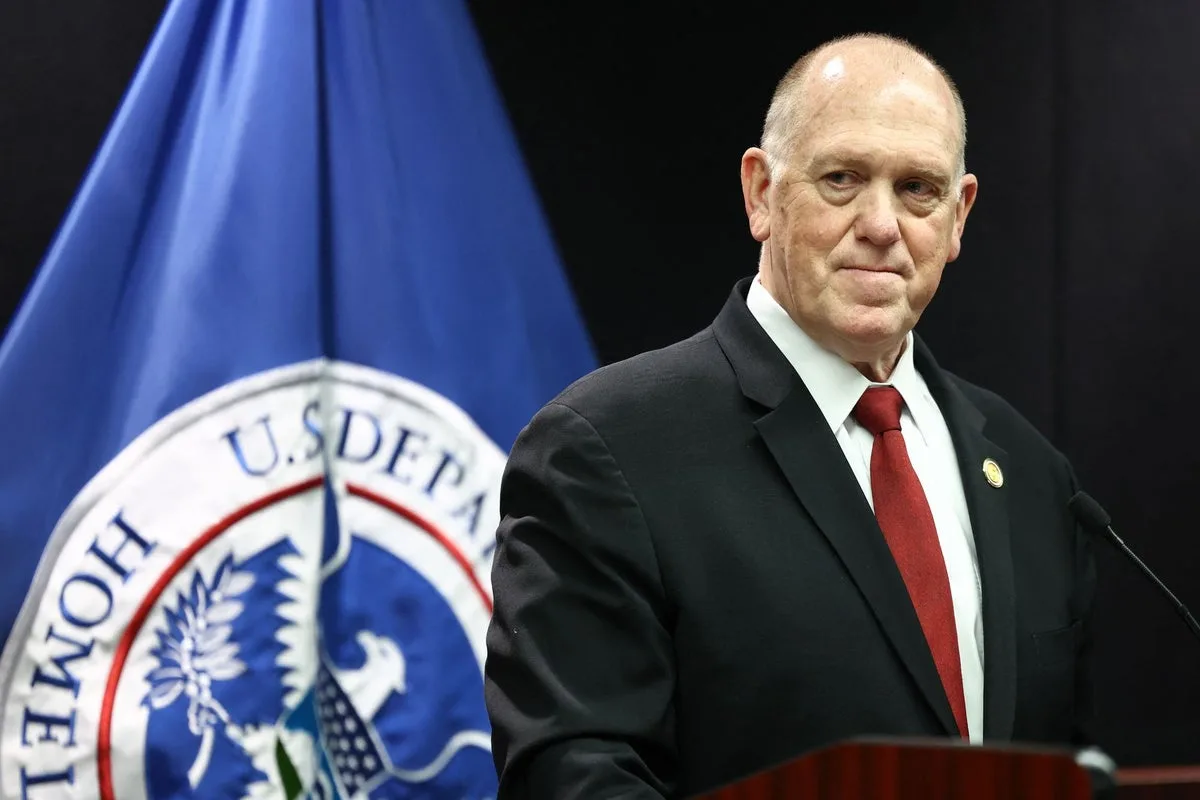
The Trump administration has announced a significant reduction in federal law enforcement presence in Minnesota, following two fatal shootings that triggered national outrage and weeks of public protests. White House Border Czar Tom Homan confirmed the immediate withdrawal of 700 officers from Minneapolis, marking a dramatic shift in immigration enforcement strategy in the region.
Unprecedented Drawdown Follows Deadly Incidents
This substantial drawdown comes after sustained public pressure and condemnation following the shooting of 37-year-old Alex Pretti by Border Patrol officers. The incident, along with another fatal shooting, created a firestorm of criticism toward federal immigration enforcement tactics in Minnesota's largest metropolitan area.
Restructured Command and New Enforcement Priorities
During a Wednesday morning press conference in Washington, D.C., Homan outlined the administration's new approach. Remaining Border Patrol agents will now operate under the direct command of Immigration and Customs Enforcement officials, creating what he described as a "joint unified operations center" with a single chain of command.
The strategic shift moves away from the roving patrols that have alarmed Minneapolis residents for months toward what Homan termed "targeted enforcement" operations. Approximately 2,000 federal personnel will remain in the area with a renewed focus on individuals deemed to be public safety threats.
Coordination with Local Authorities
Homan characterized the policy change as resulting from "productive discussions" with state and local officials about improving coordination between county jails and ICE. The stated goal is to prevent what he called "public safety threats being released back into the community" through better interagency cooperation.
"This is unprecedented cooperation," Homan told reporters, emphasizing the administration's commitment to what he described as lawful coordination between federal and local law enforcement entities.
Immediate Implementation and Ongoing Developments
The changes take effect immediately according to Homan's announcement. The reduction from approximately 2,700 to 2,000 federal law enforcement personnel represents one of the most substantial operational adjustments in recent immigration enforcement history.
This policy shift comes amid ongoing national debates about immigration enforcement methods, the role of federal agents in local communities, and appropriate responses to law enforcement-related fatalities. The administration's move suggests a recalibration of tactics in response to both public pressure and operational assessments.




