Attorney Vigorously Disputes ICE and DHS Claims Following California Shooting
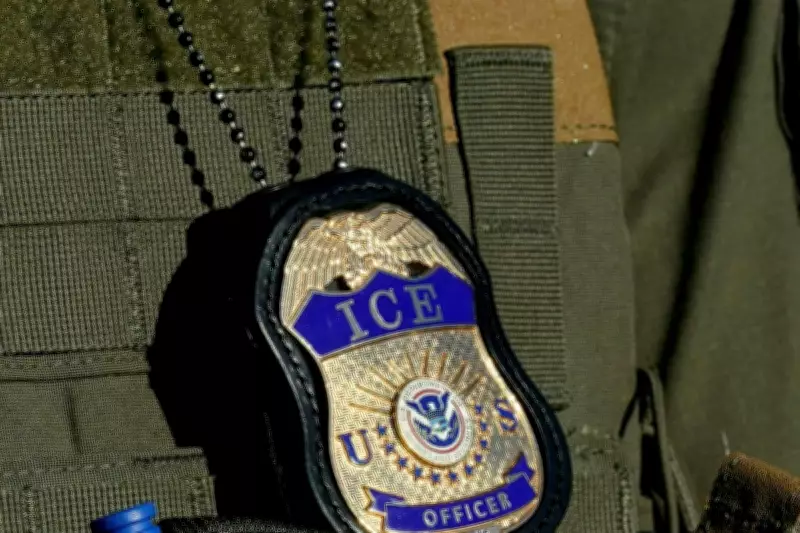
An attorney representing a man shot by U.S. Immigration and Customs Enforcement agents during an arrest in central California has publicly challenged official accounts, asserting his client is not a gang member and does not face an arrest warrant in El Salvador. The incident, which occurred in Patterson, California, has sparked significant controversy and raised questions about federal immigration enforcement practices.
Conflicting Narratives Emerge from Shooting Incident
The Department of Homeland Security stated that ICE agents fired in self-defense at Carlos Ivan Mendoza Hernandez on Tuesday after he allegedly attempted to drive into officers during an enforcement stop. DHS further described Mendoza as a suspected gang member who is facing questioning in El Salvador regarding a murder case.
However, Mendoza's attorney, Patrick Kolasinski, presented a starkly different account during a Wednesday press conference. "He has only been stopped for minor traffic violations, has no criminal record in the United States, and is not subject to any arrest warrant in El Salvador," Kolasinski stated emphatically. The attorney revealed that Mendoza was previously acquitted of the murder charge in El Salvador, adding, "If he was released after being acquitted, with no other holds on him, he cannot have a warrant. That information must be either erroneous or completely fabricated."

Attorney Questions Evidence and Training Protocols
Kolasinski acknowledged he has not yet had the opportunity to speak directly with his hospitalized client but maintained, "I have found no evidence whatsoever that my client was part of any street gang." He expressed frustration with the lack of transparency from federal authorities, noting, "Only DHS knows what they're looking at, and they haven't provided any substantiation for their claims."
The attorney also criticized ICE training protocols, particularly regarding the agents' actions during the arrest. "Officers endangered everyone by opening the car door when Mendoza tried to flee," Kolasinski argued. "That may well be ICE training, but if it is, it's horrible training that puts both officers and civilians at unnecessary risk."
Dashcam Footage and Family Statements Add Complexity
Dashcam footage obtained by KCRA-TV shows three officers surrounding a vehicle stopped roadside. One officer appears to be touching the driver-side window when the car begins to reverse, striking a vehicle behind it. At least two agents have weapons drawn and pointed at the car before the driver pulls forward, turns sharply, and drives over the roadway median.
"He is doing everything he can to not run them over," Kolasinski said of his client's actions, suggesting Mendoza panicked and attempted to flee rather than intentionally targeting officers. The silent video leaves unclear precisely when shots were fired or what verbal exchanges occurred.
Mendoza's fiancée, Cindy, who withheld her last name due to safety concerns, described him as "a good guy" and "a hardworking person" who repairs fire damage as a laborer. She stated in Spanish that Mendoza was recently stopped for a cracked windshield in another town and criticized the Trump administration's immigration policies, saying they "are hurting families." Mendoza has a two-year-old daughter and is engaged to a U.S. citizen.
Investigation and Medical Status Remain Unclear
The Stanislaus County Sheriff's Office confirmed they were not involved in the incident, with the FBI now leading the investigation. DHS has not responded to requests for comment regarding the attorney's statements.
Kolasinski expressed concern about his client's medical condition and legal status, noting that neither he nor Mendoza's family have been allowed to visit him since he was hospitalized. "We were told by a social worker that he is stable, but that's all the information we have," the attorney said. He added that federal officials have not clarified whether Mendoza has been arrested for a crime or is being held as a shooting victim.

This shooting occurs amid a series of similar incidents during the Trump administration's aggressive immigration enforcement push, where accounts from federal immigration officials have frequently been questioned. Kolasinski said Mendoza entered the United States in 2019, though he did not know his legal status or method of arrival, hoping to obtain those details through future conversations with his client.