
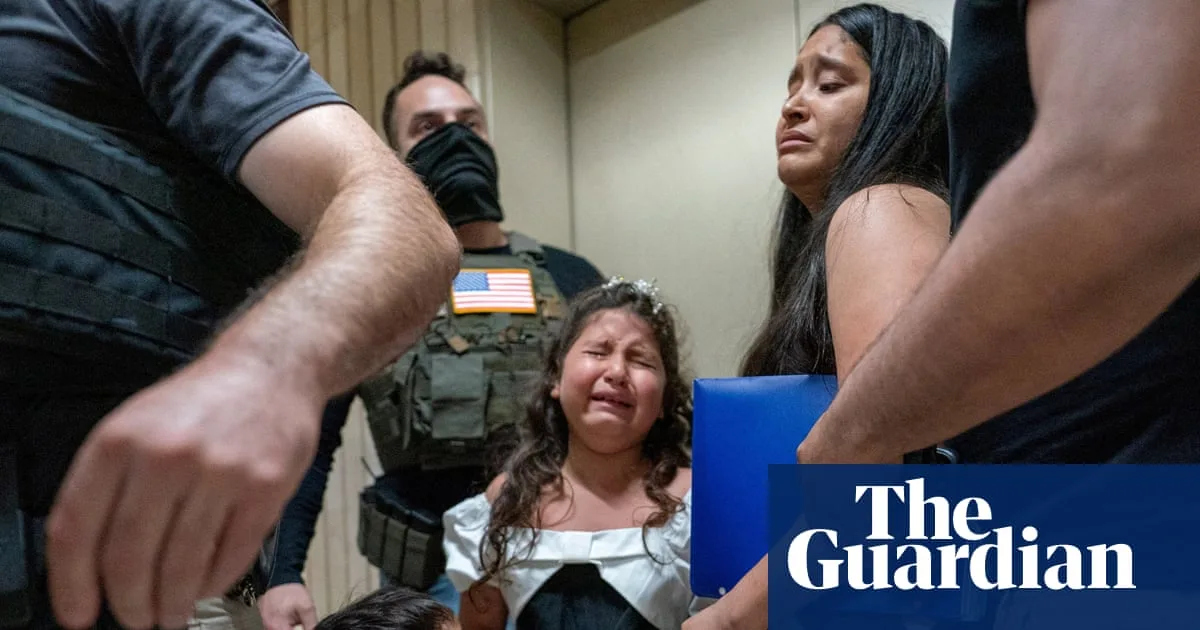
A federal judge in New York has prohibited US Immigration and Customs Enforcement (ICE) agents from arresting immigrants at three federal courthouses in lower Manhattan, except in exceptional circumstances. The ruling, issued on Monday by District Judge P Kevin Castel, applies to immigration courts at 26 Federal Plaza, 201 Varick Street, and 290 Broadway.
The decision came in response to a lawsuit filed by the New York Civil Liberties Union, the American Civil Liberties Union, Make the Road NY, and other groups. Amy Belsher of the ACLU described the ruling as “an enormous win for noncitizen New Yorkers seeking to safely attend their immigration court proceedings”.
In a 15-page order, Judge Castel acknowledged the government's interest in enforcing immigration laws but stressed the importance of allowing individuals to attend removal proceedings and pursue asylum claims without fear of arrest. He noted that arrests away from courthouses remain permitted, and that agents can still detain individuals at immigration courts in cases of serious public safety threats.
The ruling follows tensions at lower Manhattan federal buildings, including protests and standoffs between agents and demonstrators, with some local elected officials detained. Judge Castel also referenced a 2021 federal policy on courthouse enforcement actions, stating that the Trump administration's withdrawal of that policy appeared “arbitrary and capricious”.
Groups involved in the legal action, such as African Communities Together and The Door, had argued that arrests at immigration courts undermined the rule of law. Beth Baltimore of The Door said the decision “brings us hope”, adding that members had been terrified to attend required court appearances.




