Government Reaffirms Migration Reforms Despite Rayner's 'Un-British' Criticism
Government Doubles Down on Migration Reforms After Rayner Criticism

Government Reaffirms Commitment to Migration Reforms Following Rayner's Criticism

The Government has firmly restated its intention to proceed with controversial immigration reforms, specifically plans to double the time required for migrants to apply for indefinite leave to remain. This comes after earlier ambiguity from Downing Street and sharp criticism from Labour's Angela Rayner, who labelled the proposals as 'un-British' and a 'breach of trust'.

Doubling the Settlement Route from Five to Ten Years

A Government spokesperson confirmed that ministers will push ahead with the policy to extend the route to settlement from five to ten years. The spokesperson reiterated Home Secretary Shabana Mahmood's position that permanent residence in the UK is a 'privilege' that must be earned, not an automatic right. This stance was clarified after initial signals suggested potential openness to modifying the plans.

The spokesperson elaborated, 'We will always welcome those that come to this country and contribute to our national life. But the privilege of living here forever should be earned, not automatic.' They highlighted concerns over migration levels between 2021 and 2024, stating that the country experienced historically high influxes, necessitating honest discussions about the impact of hundreds of thousands of low-skilled migrants obtaining settlement.

Rayner's Strong Opposition and Accusations of Breach of Trust

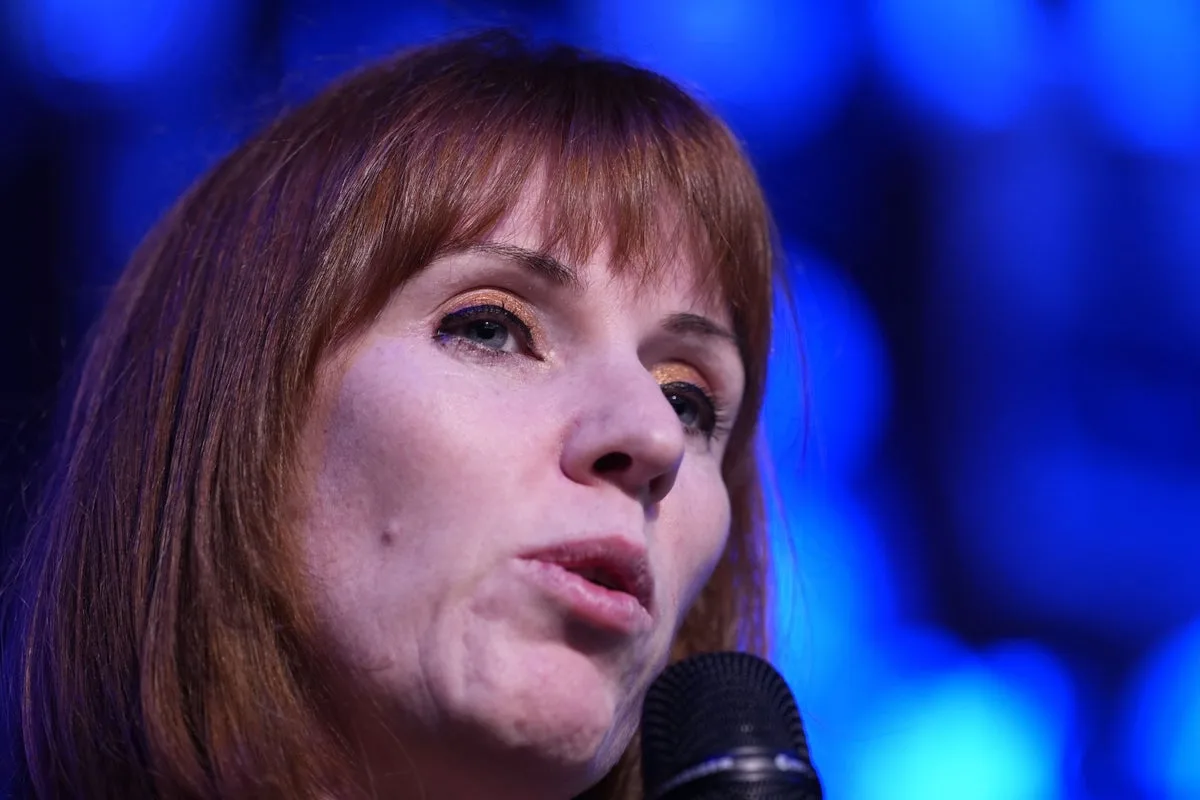
In a speech to the campaign group Mainstream, Angela Rayner, the MP for Ashton-under-Lyne, strongly criticised the reforms. She argued that changing the rules for migrants already in the UK, who came under the understanding they could stay by working in needed sectors, obeying laws, and paying taxes, effectively 'pulls the rug' from under them.

'That would be not just bad policy but a breach of trust. The people already in the system, who made a huge investment, now fear for their future, they do not have stability and do not know what will happen,' Rayner stated. She emphasised that moving the goalposts undermines fair play, calling it 'un-British'.

Government Consultation and Response Timeline

The Government announced in November that it is consulting on applying this change to individuals currently in the UK who have not yet received settled status. A consultation has closed with approximately 200,000 responses, which are currently under review. Ministers have committed to outlining their response in due course, aligning with principles of fairness and contribution to national life.

When pressed on Rayner's remarks, the Prime Minister's political spokesman noted that responses to the Home Office consultation are being considered, and the Government will respond in line with its values. The spokesman defended the Prime Minister's commitment to working people, citing progress in restoring economic stability, cutting NHS waiting lists, and plans to lift half a million children out of poverty next month.

Political Context and Rayner's Position

Angela Rayner resigned as housing secretary and deputy prime minister last year following a controversy over stamp duty underpayment. Since then, she has been viewed as a potential successor to Prime Minister Keir Starmer, especially as Labour's poll ratings and Starmer's personal approval face challenges. Despite this, the Prime Minister's spokesman confirmed that Starmer and Rayner maintain a good working relationship, and Starmer would like to see her return to the Cabinet.

Rayner's speech at Mainstream followed efforts by Tony Vaughan, who coordinated a letter signed by over 100 Labour parliamentarians urging the Government to reconsider its immigration proposals. These proposals also include requirements for higher English language proficiency standards for migrants seeking to stay in Britain.

The Government's reaffirmation of its migration reforms underscores a firm stance on immigration policy, setting the stage for ongoing political debate and potential implementation of stricter settlement criteria in the coming months.




