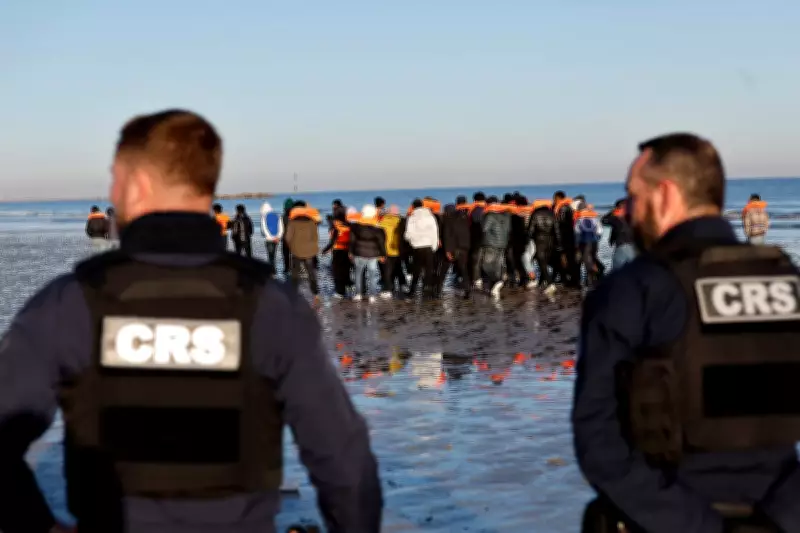
French authorities have confirmed that at least four individuals lost their lives while attempting to board an inflatable boat for a hazardous sea crossing from northern France to the United Kingdom. The tragic incident occurred on Thursday morning, with rescue operations continuing throughout the day.
Details of the Tragic Incident
The prefect of the Pas-de-Calais region, François-Xavier Lauch, stated that the victims included two men and two women. They were swept away by dangerous currents as they tried to embark on what authorities term a "taxi-boat"—a small, motorized inflatable vessel typically used by human traffickers to collect migrants along the extensive northern French coastline.
Rescue Efforts and Ongoing Operations
In addition to the four fatalities, 38 other people were successfully rescued from the scene. One of those rescued was reported to be in critical condition, requiring urgent medical attention. The rescue mission took place on Equihen Beach, an area characterized by broad sandy expanses, dunes, and nearby forests where migrants often hide while awaiting departure opportunities.

Lauch emphasized that despite continuous police patrols using buggies and surveillance from World War II-era bunkers, preventing all unauthorized departures remains challenging due to the beach's length and remote nature.
Rising Crossings and Recent Trends
This incident follows a surge in attempted Channel crossings and related deaths in recent days. French maritime authorities reported that on Wednesday alone, 102 people were rescued in two separate operations while trying to cross the Channel. Just last week, two individuals died in a similar event off the coast north of Calais.
The "Taxi-Boat" Phenomenon
Unlike traditional inflatable boats that migrants carry into the water themselves, so-called "taxi boats" operate differently. These vessels typically launch from secluded coastal spots with minimal passengers and then pick up migrants from prearranged meeting points on beaches. This method has become increasingly common as authorities intensify efforts to thwart departures.
An Associated Press reporter observed such a scene on Wednesday in Malo-les-Bains, near Dunkirk. Migrants were seen wading into the sea, often carrying children in their arms or on their shoulders, before climbing aboard inflatables waiting offshore. Once loaded, the boats embark on the cross-Channel journey, sometimes collecting additional passengers along the way.
Increased Risks and Safety Concerns
The use of "taxi boats" introduces heightened dangers. Depending on tides, weather conditions, and police patrols, migrants may need to wade far from the shoreline—sometimes up to their torsos—to reach these vessels. This increases the risk of losing footing, being caught by strong currents, or wading into dangerously deep water.
Campaign groups advocating for migrant rights have long warned that aggressive police tactics to prevent boat departures, including slashing and puncturing inflatable boats to render them unusable, are inadvertently encouraging the use of "taxi boats." This shift, they argue, elevates the risks of drownings, injuries, and the necessity for large-scale rescue operations.
The ongoing situation underscores the perilous nature of Channel crossings and the complex challenges faced by both migrants and authorities in the region.