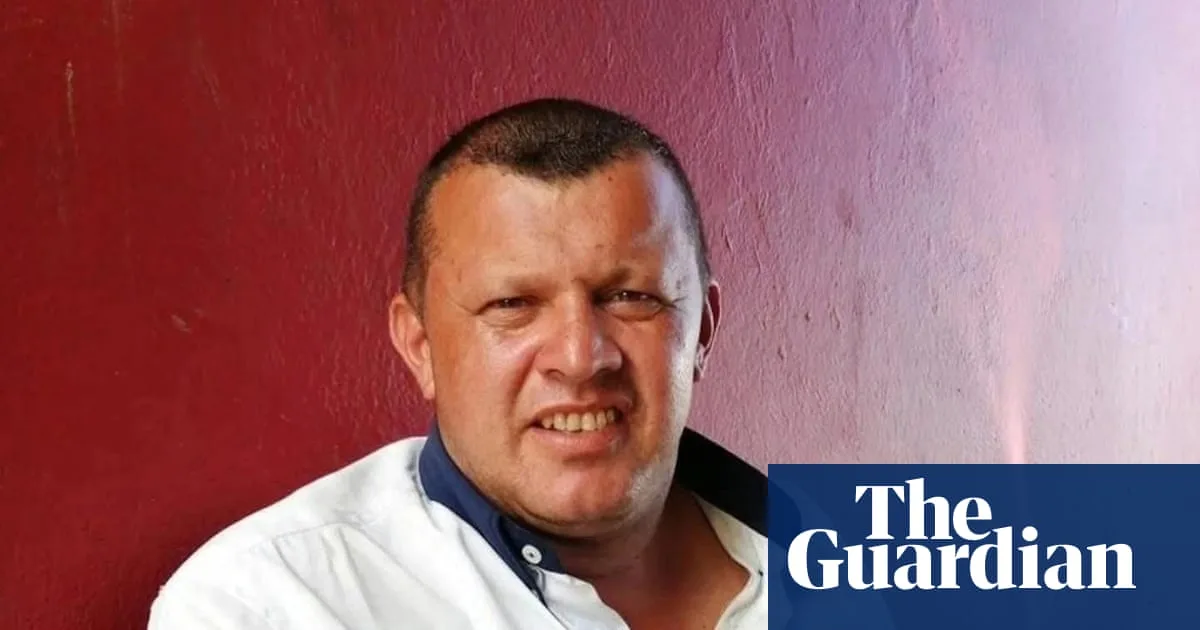
Costa Rican Man Dies After ICE Deportation in Vegetative State
Family Demands Answers After ICE Deportation and Death

The sister of a Costa Rican man who died shortly after being deported from the United States in a vegetative state is demanding answers from American authorities. Greidy Mata Esquivel has described the shocking condition in which her brother, Randall Gamboa Esquivel, was returned to his homeland, raising serious questions about his treatment while in US Immigration and Customs Enforcement (ICE) custody.

A Determined Journey Ends in Tragedy

Randall Gamboa Esquivel, 52, was determined to build a better future. In late 2024, despite warnings from relatives about a shifting political climate in the US, he left his hometown of Pérez Zeledón, Costa Rica, for New Jersey. He had previously lived undocumented in America from 2002 to 2013 and aimed to work, save money, and eventually return home to buy a house.

His plans unravelled quickly. After crossing the US-Mexico border in December 2024, he was detained by US immigration authorities for unlawful re-entry, a felony. He was held in two detention facilities in south Texas. Nearly ten months later, in September 2025, the US government flew him back to Costa Rica via air ambulance. He was in a vegetative state and died weeks later on 26 October, surrounded by family in a Pérez Zeledón hospital.

A Mystery of Deteriorating Health

Much of what transpired during Gamboa's final weeks in federal custody remains unclear to his family. Communication, which had been frequent, stopped abruptly on 12 June 2025. In a final video call shared with The Guardian, Gamboa appeared cheerful and optimistic, telling his family he loved them and that he would be released soon.

His health deteriorated rapidly thereafter. Medical records show he was transferred from the Port Isabel detention centre to the Valley Baptist Medical Center in Harlingen, Texas, on 23 June. By early July, he had been diagnosed with at least ten conditions, including sepsis, protein malnutrition, and toxic encephalopathy.

"When I saw my brother at the airport, I thought he had been tortured," said Mata. "He was ill-nourished, had skin ulcers and dried blood on his body and had a strong odor. Have you ever smelled a cadaver? That’s how my brother smelled when he was deported."

Claims of Neglect and Lack of Communication

The family alleges they were kept in the dark. Mata says the Costa Rican consulate in Houston told her that ICE claimed Gamboa did not want to speak with his family—an assertion contradicted by a fellow detainee. Omar Guevara, a Nicaraguan-born man with Costa Rican citizenship, was held with Gamboa in Texas. He told The Guardian that Gamboa frequently spoke of his love for his family, making the official claim seem like "a lie."

When asked about the case, Tricia McLaughlin, assistant secretary at the Department of Homeland Security, stated that Gamboa was diagnosed with "unspecified psychosis" and hospitalised to receive proper care. She did not address questions about communication with his family or the Costa Rican government.

The Costa Rican Ministry of Foreign Affairs declined to comment on whether consular officers visited Gamboa during his hospitalisation. The cause of his death remains officially undetermined, with forensic investigations ongoing.

A Broader Context of Record Detentions

Gamboa's detention and deportation occurred during a period of aggressively expanded immigration enforcement under the second Trump administration. ICE was holding a record high of more than 68,000 detainees in late 2025, amid widespread complaints about detention conditions and oversight. The year 2025 was also ICE's deadliest in two decades.

For Greidy Mata, the link is clear. "I am convinced that the precarious conditions under which my brother was detained worsened his health—and no one will change my mind about that," she said.

The tragedy has reverberated through her community. A local cemetery groundskeeper noted that over a hundred people visited Gamboa's grave on the Day of the Dead. He added that the case had extinguished his own dream of migrating to the US. "It’s like there’s hate toward immigrants in the US," he said.

As Mata continues to seek answers, kneeling at her brother's graveside in the shadow of the Talamanca mountains, the full story of what happened to Randall Gamboa Esquivel in American custody remains shrouded in confusion and grief.




