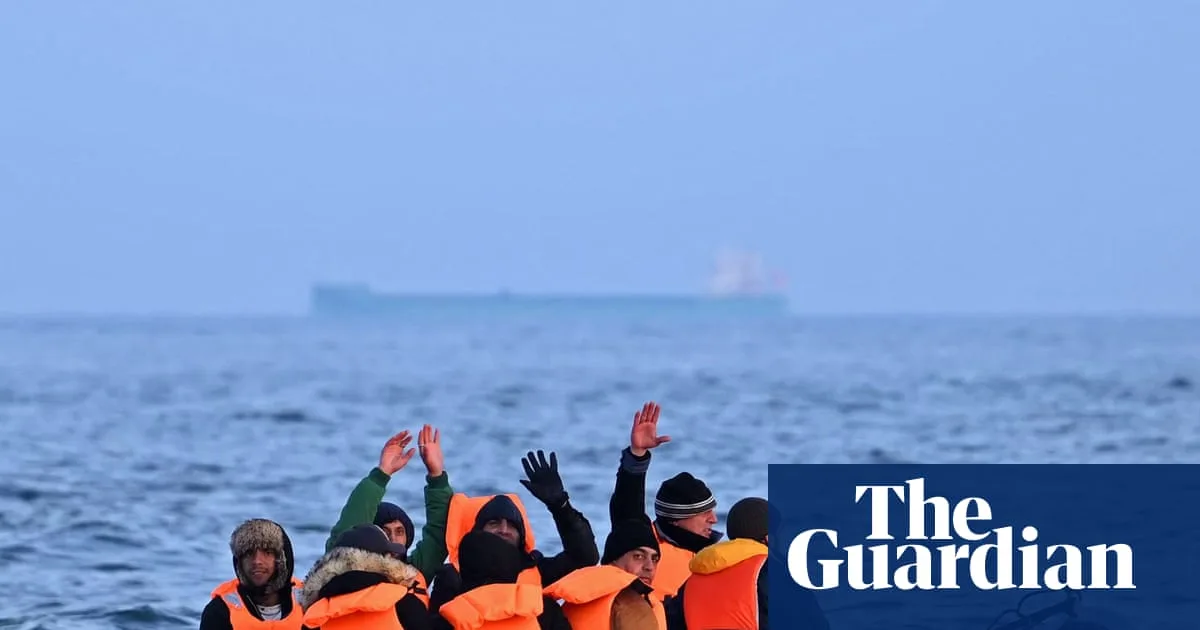
Security and immigration experts have cast doubt on Sir Keir Starmer's plan to use sanctions to target people-smuggling gangs operating in the Channel, describing the approach as 'far-fetched' and potentially difficult to evaluate.
Foreign Secretary David Lammy announced on Tuesday that the first measures, including asset freezes and travel bans, would be unveiled on Wednesday. The sanctions will target corrupt police officers, fake passport dealers, and firms supplying small boats. Lammy called the regime 'the first of its kind anywhere on the planet'.
However, Tom Keatinge, director of the Centre for Finance and Security at the Royal United Services Institute, warned against 'overpromising'. He said: 'Talk of freezing assets and using sanctions to “smash the gangs” seems far-fetched and remains to be seen.' Dr Peter Walsh of the University of Oxford's Migration Observatory noted that a similar EU scheme launched in January 2023 had yet to show clear results, adding that smugglers often use informal money transfer systems like hawala, which are difficult to trace.
Dr Madeleine Sumption, deputy chair of the Migration Advisory Committee, said she would be 'surprised' if the sanctions were a 'gamechanger' for the small boats route, as targeting individuals would likely only have a marginal impact. She stressed the need for cooperation from other countries where smugglers operate.
Refugee charities argued that enforcement alone would not stop dangerous crossings. Enver Solomon of the Refugee Council said people risk their lives because they are fleeing war and persecution, and called for alternative asylum routes to be opened.