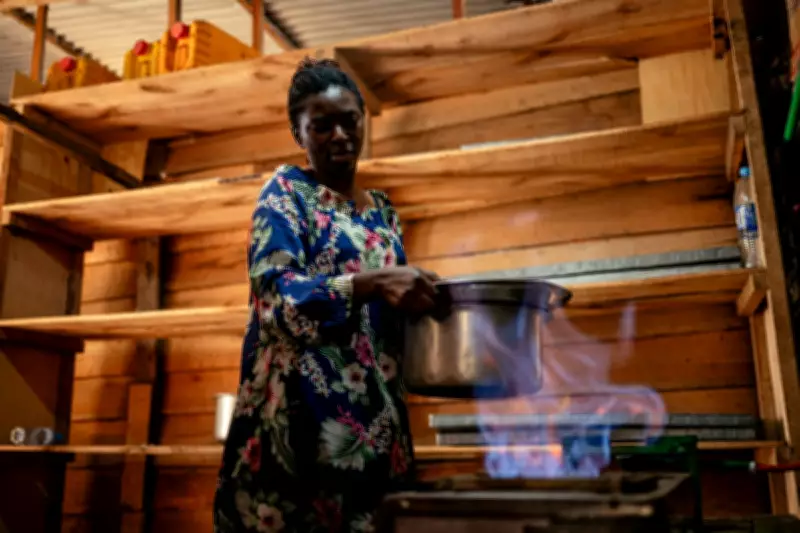
The Democratic Republic of the Congo (DRC) is grappling with severe food insecurity, particularly in its capital, Kinshasa, as the combined effects of climate change, prolonged conflict, and a struggling economy take their toll. Régis Ngudie from Mapendo Banque Alimentaire in Kinshasa explains that high food prices, driven by economic challenges and increased fuel costs from international conflicts, render food inaccessible despite its availability in markets.
Kinshasa's Growing Crisis
Kinshasa, a rapidly expanding megacity, faces overwhelming pressure on public services. Climate shocks and a significant influx of internally displaced people fleeing conflict in the eastern DRC have compounded the situation. The city's infrastructure struggles to cope with the rising demand for food and basic necessities.
Impact of Reduced Foreign Aid
Ibrahima Diallo of the UN's World Food Programme (WFP) in the DRC reports a drastic decline in foreign aid, severely hampering humanitarian efforts. The WFP can now assist only one million of the five million people requiring food aid. This reduction forces the organization to prioritize emergency relief over long-term climate resilience initiatives, a shift that could prolong aid dependency.

The situation in the DRC reflects a global trend of increasing food crises alongside decreasing international assistance. Without sustained support, vulnerable populations face heightened risks of malnutrition and hunger, undermining prospects for stability and development in the region.