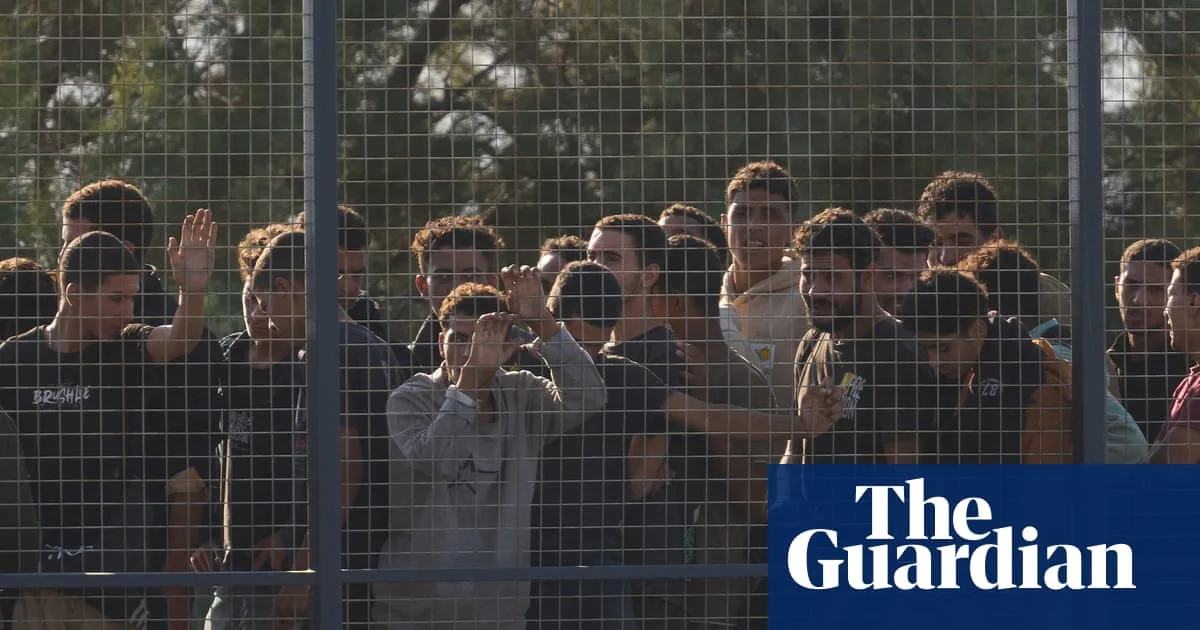
Crete Becomes Key Entry Point Amid EU Migration Policy Shift
As the European Union prepares to implement tougher migration measures, the Greek island of Crete has witnessed a dramatic spike in illegal crossings, emerging as Greece's busiest point of entry. According to data from Frontex, the EU's border agency, irregular migration to Crete tripled last year, with approximately 20,000 arrivals recorded. This surge occurred even as overall irregular migration to Europe fell by 26% in 2025 compared to the previous year, highlighting a significant shift in migration patterns across the Mediterranean region.
Surveillance Intensifies on Deadly Migration Corridor
In response to the escalating situation, Frontex is focusing its surveillance efforts on Crete, deploying advanced technology such as Israeli-built Heron 2 drones. These drones, operating from Tympaki airfield, scan the 350-kilometer stretch of sea between Libya and Crete, capable of detecting hidden activity below deck on migrant vessels. Mariusz Kawczynski, a senior Frontex operations official, emphasized the critical importance of this technology, stating, "There is no substitute in modern technology to have eyes for Europe of the threats that are coming to our borders."
The route from Libya to Crete is one of Europe's deadliest migration corridors, fueled by wars and instability across Africa. Unlike the shorter trip from Turkey to nearby Greek islands, this passage requires larger vessels for a journey that can last days across the exposed Libyan Sea, leading to frequent tragedies. For instance, a sunken fishing trawler in 2023 killed at least 700 people, and Greek authorities recently rescued 20 migrants and recovered four bodies from a distressed vessel south of Crete, with dozens more believed missing. Each rescue underscores the brutal reality that the crossing is a gamble with lives.
EU and Greek Policies Harden in Response
The surge in arrivals has prompted a hardening of political positions in Athens and Brussels. Greece temporarily suspended asylum claims from migrants arriving via the Libya route for three months, scrapped certain amnesty provisions, and introduced mandatory imprisonment for asylum seekers whose claims are rejected. Concurrently, the EU is adopting a tougher line, with new bloc-wide migration rules set to start in June aimed at stricter border screening and faster deportations.
Frontex's standing corps is expected to reach 10,000 officers by the end of the year, doubling the number employed in 2021, reflecting the policy shift and anticipation of sustained pressure along key routes. Georgios Pyliaros, head of Frontex operations in Greece and Cyprus, noted that while bad weather led to a seasonal lull in January and February, increased crossings are expected in the spring. "If we take into consideration what happened in the last two or three years, we will have some increase in the following months, for sure," he said.
Global Conflicts and Rising Death Toll
The migration crisis is exacerbated by global instability, with a war-tracking project at Sweden's Uppsala University recording 61 active conflicts globally in 2024—the highest number since World War II. Expanding militant activity in western Africa is a major driver of displacement, pushing more migrants toward dangerous sea routes. The International Organization for Migration estimates at least 2,185 people died or went missing in the Mediterranean in 2025, with 606 migrant deaths already recorded as of February 24, 2026. The agency warns that limited access to search-and-rescue information means the true toll is likely higher.
Amy Pope, IOM Director General, condemned the ongoing loss of life, stating, "The continued loss of life on migration routes is a global failure we cannot accept as normal. These deaths are not inevitable." As Europe ramps up its border controls, the focus remains on balancing security with humanitarian concerns in one of the world's most perilous migration corridors.




