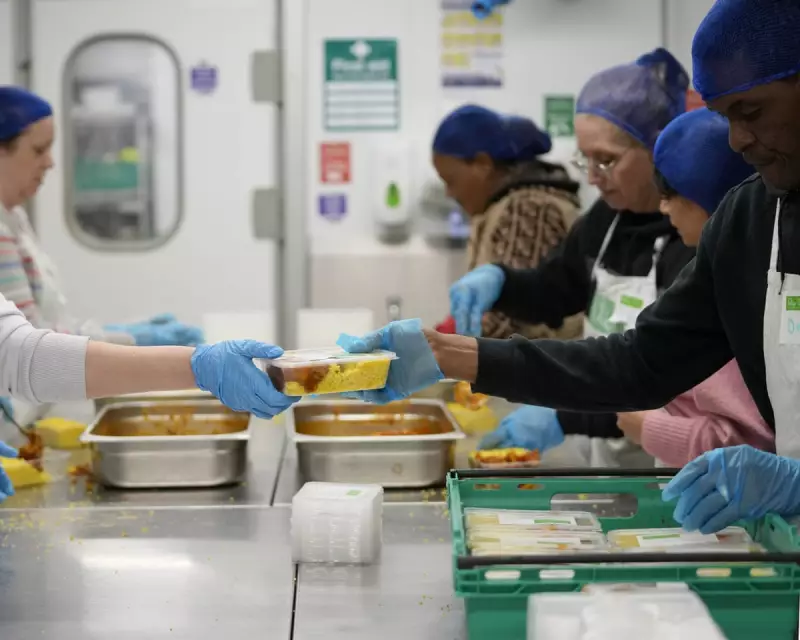
More than 320 charitable organisations across the United Kingdom have publicly declared they will not cooperate with what they label as "immoral" government proposals to make volunteering compulsory for migrants and refugees seeking to settle in the country.
Charities Unite in Opposition
The powerful coalition, which includes major bodies like the National Council for Voluntary Organisations (NCVO) and the Charity Retail Association, has written a joint letter to Home Secretary Shabana Mahmood. They argue that forcing asylum seekers and refugees to undertake unpaid work undermines the very essence of volunteering, which is based on freely given time and skills.
The government's plan, expected to be detailed in a formal consultation soon, is part of a wider "contribution-based settlement model" aimed at reducing immigration. In a September speech at the Labour party conference, Mahmood stated that future migrants would need to demonstrate a social "contribution"—such as volunteering—to qualify for leave to remain.
An Unworkable and Exploitative Policy
The charities' letter strongly condemns the proposal. It states that "effectively making volunteering compulsory undermines its many benefits, and would create a population of people forced to work for free, under threat of having their lives in this country ripped away from them."
Signatories, which also include local branches of Age UK and Citizens Advice, have vowed they will not participate in the scheme. They explicitly stated: "We will not work with coerced volunteers. We will not report to the Home Office on the time people give freely... We will not allow our volunteers’ valuable work to be used against other migrants."
Practical and Ethical Concerns
Beyond the ethical objections, voluntary organisations have raised serious practical concerns. They warn that the policy would impose a significant bureaucratic burden, requiring costly and time-consuming reporting from charities that are already stretched thin.
There are also grave worries about the impact on vulnerable individuals. Charities fear that pressuring traumatised survivors of war or human trafficking into unpaid work could severely damage their mental health and recovery process.
Louise Calvey of Asylum Matters, which coordinated the letter, described the government's idea as "nonsensical," emphasising that the voluntary sector itself will not accept it. Sarah Wilson of the Penrith and Eden Refugee Network (PERN) added that volunteering is at the heart of British values and should not be "weaponised."
The strong resistance from the very sector that would be tasked with implementing the policy presents a major challenge to the Home Office's controversial proposal.