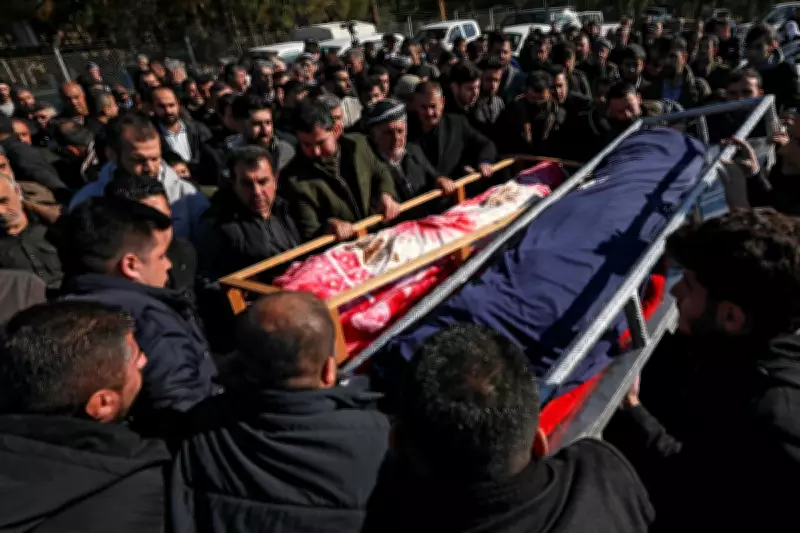
A comprehensive inquiry into the UK's deadliest Channel small boat disaster has delivered a damning verdict, concluding that the tragic loss of over 30 lives in November 2021 was entirely avoidable. The report, led by Sir Ross Cranston, found that systemic failures by both British and French authorities directly contributed to the scale of the fatalities in what stands as the worst maritime disaster in the Channel for more than three decades.
Critical Failures in Emergency Response
The inquiry revealed that the French warship Flamant was positioned approximately fifteen minutes away from the incident but failed to respond to a critical Mayday call issued by the UK coastguard. This significant omission is now under formal investigation by French authorities, raising serious questions about cross-Channel coordination during emergencies.
UK Coastguard's Mistaken Assumptions
On the British side, HM Coastguard made the fatal error of believing the stricken vessel had already been rescued, leading them to call off the search operation prematurely. The inquiry found this decision was influenced by what investigators described as a "widely held belief" within the service that small-boat callers frequently exaggerated the level of danger they faced.
Systemic Weaknesses Exposed
The report identified profound systemic failures within the UK coastguard's operational structure that contributed directly to the tragedy. These included an over-reliance on inexperienced personnel during critical incidents and a concerning lack of effective supervision when lives were at stake.
Perhaps most damning was the revelation that crucial geolocation information from the sinking boat was never properly gathered or acted upon. This fundamental failure in basic maritime rescue procedures meant that responders lacked the precise location data needed to mount an effective rescue operation in time-sensitive conditions.
A Preventable Tragedy
Sir Ross Cranston's inquiry concluded unequivocally that the lives of those who drowned could have been saved if proper procedures had been followed and if the distress call had received the urgent response it warranted. The findings paint a picture of multiple points of failure across international boundaries and within national rescue services.
The disaster represents not just a tragic loss of life but a comprehensive failure of the systems designed to protect vulnerable people attempting dangerous Channel crossings. The inquiry's recommendations are expected to lead to significant reforms in how both UK and French authorities handle small boat emergencies in one of the world's busiest shipping lanes.