Channel Small Boat Tragedy: Damning Inquiry Reveals Preventable Deaths
A devastating official inquiry has concluded that more than 30 lives lost in the English Channel's worst migrant disaster in decades could have been prevented through timely intervention by French and British authorities. The comprehensive report into the November 2021 tragedy reveals multiple systemic failures that contributed to the catastrophic loss of life.
Critical Failures in Emergency Response
The inquiry, led by Sir Ross Cranston, determined that both French maritime authorities and HM Coastguard in the United Kingdom made critical errors that directly contributed to the scale of the disaster. On that fateful November morning, an overcrowded inflatable boat carrying migrants began taking on water approximately four hours into its journey from France to Britain.
The French warship Flamant, positioned merely fifteen minutes from the unfolding crisis, failed to respond to a Mayday distress call broadcast at 2:27am on 24 November 2021. Sir Ross described this failure as "striking" in his conclusions, noting that had the vessel attended the scene promptly, "many more, and possibly all, lives of those on board would have been saved."
UK Coastguard's Premature Search Termination
Compounding the tragedy, HM Coastguard prematurely called off search and rescue operations based on mistaken assumptions. Investigators found that coastguard personnel operated under a "widely held belief" that small-boat migrants frequently exaggerated their peril to secure faster rescue, leading to a dangerous underestimation of the genuine emergency unfolding in the Channel.
The coastguard further confused the stricken vessel with another boat they believed had been successfully rescued, resulting in the termination of search efforts while desperate survivors remained in the water. Expert testimony presented to the inquiry revealed that many victims survived for several hours after entering the water, with some likely alive until early afternoon.
Survivor Accounts and Human Cost
Among the two survivors was Issa Mohamed Omar, who provided harrowing testimony about clinging to the collapsed vessel until sunrise before attempting to swim to safety. He described spending approximately ten hours in frigid waters before being rescued by a French fishing family.
"The screaming when the boat tipped, and people fell in the water was deafening," Omar recalled. "I have never heard anything as desperate as this. I was not thinking about whether we were going to be rescued anymore; it was all about how to stay alive."
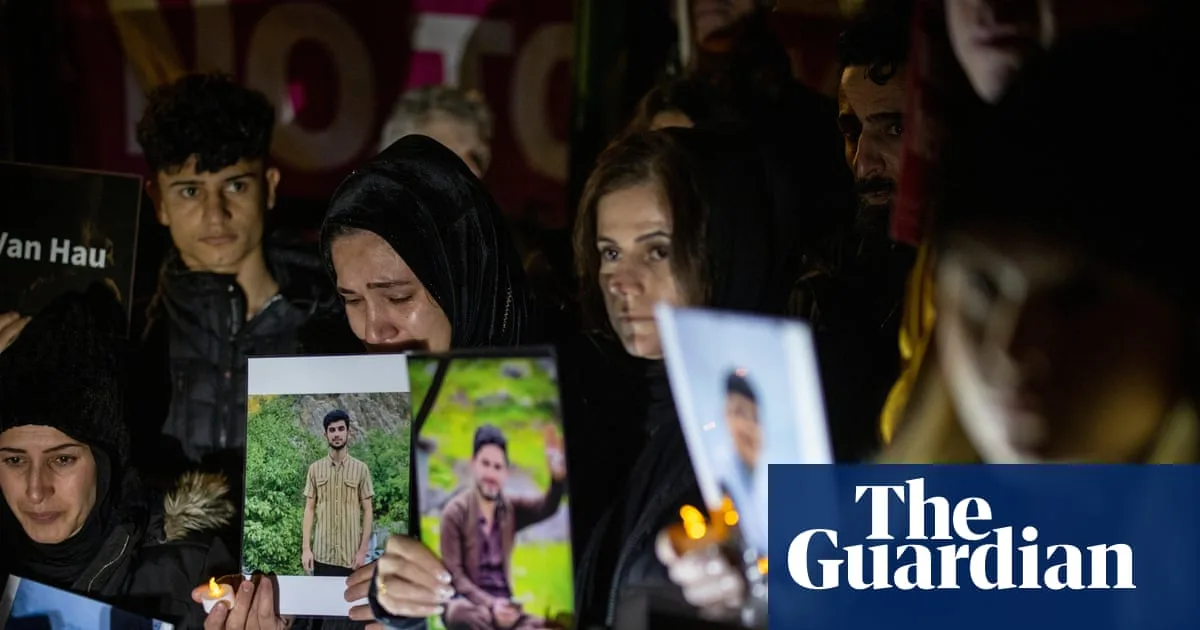
The human toll included entire families such as 46-year-old Kazhal Ahmed Khidir Al-Jammoor from Kurdistan, Iraq, who perished alongside her three children Hadiya (22), Mubin (16), and Hasti (7). Maryam Noori Mohammedameen, a young woman in her twenties who aspired to study engineering in Britain, also lost her life. Her father told the inquiry that learning of her death through news reports represented "the darkest moment of my life."
Systemic Communication Breakdowns
The inquiry uncovered multiple communication failures that hampered rescue efforts. The UK coastguard failed to collect crucial geolocation data sent via WhatsApp by those aboard the sinking vessel. Meanwhile, the Border Force cutter HM Valiant took two hours to reach the area and arrived without essential information about the boat's location or the fact that people were already in the water.
Sir Ross identified several contributing factors within HM Coastguard:
- Extreme pressure on staff handling small boat search and rescue operations
- Over-reliance on inexperienced personnel
- Shortcomings in remote working arrangements
- Absence of effective supervision and oversight
These systemic issues created an environment where coastguard personnel could mistakenly believe the incident had been resolved when, in reality, dozens of people were fighting for survival in the Channel.
Geographic and Demographic Details
The majority of those aboard the ill-fated vessel originated from the Kurdistan region of Iraq, with additional passengers from Somalia, Ethiopia, Afghanistan, Egypt, Iran, and Vietnam. The tragedy represents the deadliest single incident since the English Channel became a primary route for clandestine migrant crossings from France to England.
The inquiry's findings have prompted renewed scrutiny of cross-Channel emergency response protocols and have raised serious questions about the adequacy of current search and rescue coordination between British and French authorities during migrant crossing attempts.