Channel Crossing Inquiry Finds 30 Deaths Were 'Avoidable' Due to Systemic Failures
Channel Crossing Inquiry Finds Deaths 'Avoidable'

Channel Crossing Inquiry Delivers Damning Verdict on 'Avoidable' Deaths

An independent inquiry into the deadliest English Channel crossing on record has delivered a stark conclusion: the deaths of 30 people were "avoidable" due to systemic failures in the UK's maritime response. The comprehensive probe, led by Sir Ross Cranston, has identified chronic staff shortages, flawed decision-making, and missed opportunities that directly contributed to the catastrophic loss of life.

Tragic Night of November 2021

The tragedy unfolded overnight on November 23 and 24, 2021, when a dangerously overcrowded inflatable boat capsized in the Channel. The vessel, described as "wholly unsuitable and ill-equipped" by investigators, carried at least 33 people seeking to reach British shores. Despite multiple distress calls beginning around 3am, only two survivors were eventually discovered in French waters nearly twelve hours later.

Sir Ross Cranston stated unequivocally that small boat crossings "must end" to prevent further tragedies, emphasising that preventing loss of life remains imperative. The inquiry has formally identified 27 victims among the dead, while four individuals remain missing, their families clinging to hope against diminishing odds.

Systemic Failures in Rescue Response

The inquiry's final report, published this week, outlines three primary reasons why lives could have been saved. Firstly, people smugglers provided an entirely unsuitable craft that was dangerously overcrowded. Secondly, a French Navy vessel closest to the incident failed to respond to mayday messages, a matter now subject to criminal investigation in France.

Most damningly, the UK coastguard made "a number of flawed decisions" during the rescue operation, codenamed "Charlie." These included prematurely ending the search on November 24 due to failures in record-keeping. The report reveals a "widely held belief" within the Coastguard that callers from small boats exaggerated their distress levels, potentially influencing response decisions.

Chronic Staff Shortages and Government Failure

The inquiry heard compelling evidence that chronic staff shortages at Dover and other coastal stations placed personnel in "an intolerable position." These deficiencies had been known for some time, yet no effective action had been taken to address them. The report concludes this represents "a significant, systemic failure on the part of Government."

Disturbingly, evidence suggests one victim may have died just thirty minutes before rescue eventually arrived. Between 3.17am, when the last distress call ended, and 3.33am, when an undelivered WhatsApp message was sent by HM Coastguard, all passengers had entered the freezing water.

Human Cost and Harrowing Testimony

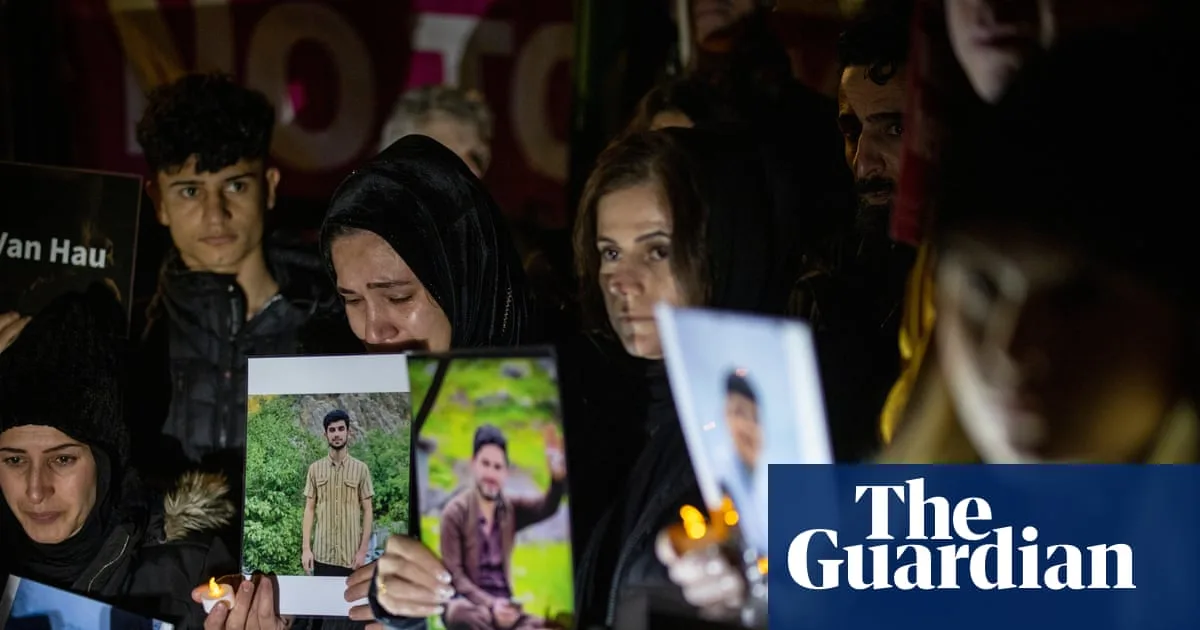
During four weeks of hearings in March last year, the inquiry heard heartbreaking testimony from survivors and families. Sixteen-year-old Kurdish boy Mubin Rizghar Hussein made multiple distress calls before perishing alongside his mother and two sisters. Survivor Issa Mohamed Omar described holding onto wreckage through the night, hearing screams in the morning that "I cannot forget in my mind."

Cold water expert Professor Michael Tipton concluded that while some victims drowned immediately, most likely died gradually between sunrise at 7am and the afternoon rescue. Families like that of Rasul Farkha Hussein continue to hope missing relatives might still be found, despite the overwhelming odds.

Recommendations and Improvements

The inquiry acknowledges that "much has improved" since November 2021 in terms of staff and assets for HM Coastguard. Dan O'Mahoney, former director of the Home Office's Clandestine Channel Threat Command, testified that enhanced aerial surveillance now operating in adverse weather conditions would likely produce different outcomes if similar circumstances occurred today.

Nevertheless, the report sets out eighteen specific recommendations relating to rescue operations for small boat crossings and mass casualties generally. These address both immediate response protocols and structural issues within UK organisations responsible for maritime search and rescue.

As Home Office figures reveal over 157,000 people have arrived via small boats since this tragedy, the inquiry's findings present urgent questions about how Britain responds to one of the most dangerous migration routes in Europe.




