In a startling turn of events, a systems engineer hired by U.S. Customs and Border Protection to install a new intercom system was arrested the moment he arrived at the job site in Florida. Angel Camacho, a 43-year-old Venezuelan asylum seeker and IT project manager, expected a routine site inspection but instead found himself in handcuffs, detained by Border Patrol agents.
From Job Assignment to Detention Camp
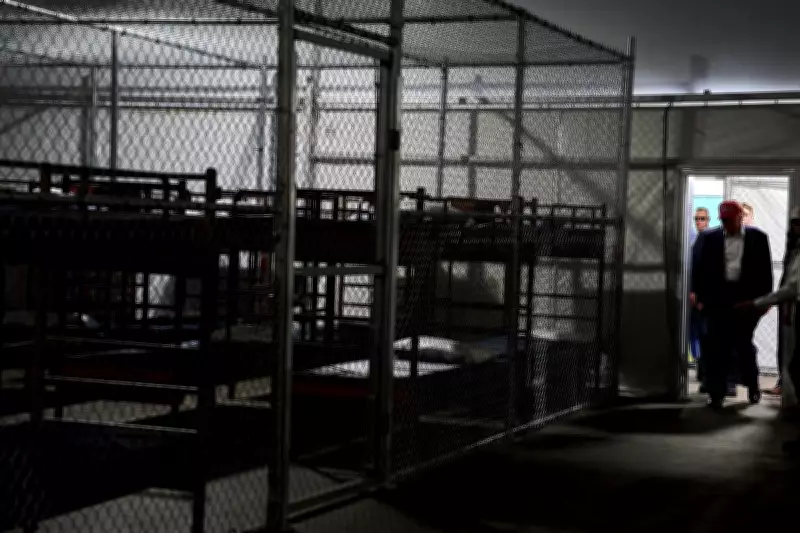
Camacho, who holds a master’s degree in telecommunications and has lived in the United States with his family for nearly a decade, was taken to Alligator Alcatraz, a state-run detention camp in the Florida Everglades. He spent 30 days imprisoned there despite having no criminal history. Camacho arrived in the U.S. on a tourist visa in 2016 and later received temporary protected status. He is currently applying for permanent residency as the spouse of an American citizen, with whom he is raising American-born children.
"I have a work permit, Social Security number, driver’s license, pay my taxes every year," Camacho told NBC6 Investigates. "They didn’t catch me doing anything wrong. I just went there to work, and it was too easy for them to catch me and say, ‘This is an immigrant.’"

Approval and Arrest
Prior to his arrival, Camacho’s employer submitted his driver’s license for security screening and received an email from CBP stating he was "approved" for entry. The email explicitly noted, "We just need to know what time he is coming, so we can be prepared." However, when Camacho showed up on January 6, agents immediately detained him. "I say, ‘Good morning. I’m Angel.’ And they say, ‘Oh yes, we are waiting for you,’" he recounted. "They say, ‘I have to detain you.’ I said, ‘What are you? Joking?’"
Alligator Alcatraz: Conditions and Controversies
The detention camp, dubbed Alligator Alcatraz, has been accused of holding detainees in inhumane conditions. Detainees have reported being shackled in metal cages and left outside without water for up to a day at a time, according to a recent Amnesty International report. While the Trump administration promised the facility would house "some of the most menacing migrants," ICE data reveals only one in four detainees have criminal convictions, with just 7 percent convicted of violent crimes.
Hundreds of detainees have filed federal lawsuits seeking release, contributing to a massive wave of litigation against ICE detentions nationwide. Judges have routinely reprimanded government lawyers for flouting court orders, with Department of Justice attorneys admitting they are struggling to keep up.
Legal Proceedings and Release
Camacho was eventually able to secure a bond hearing, post $5,000 for his release, and submit to ankle monitoring after his detention. "That’s the worst nightmare I’ve ever been in," he said of his experience. "That’s not a place for nobody, especially if you never commit any crime." Detainees have alleged widespread abuse and illness, accusing officers of retaliating against those seeking legal help.
Broader Immigration Policy Context
The Trump administration has broadly canceled legal protections for over 1 million people granted humanitarian status, and immigration court judges have dismissed hundreds of pending cases. These reversals have significantly expanded the pool of individuals vulnerable to arrest and removal. Earlier this month, a federal appeals court in New Orleans ruled that immigrants arrested in the nation’s interior—not just at the border—may be held without bond hearings, a decision now being tested in courts across the country.
Homeland Security officials maintain that the Alligator Alcatraz facility is a state-run operation managed by the Florida Division of Emergency Management. However, court records indicate the state sought and received federal funding for the project, along with guidance on spending. Administration officials have repeatedly denied abuse claims and encouraged immigrants to "self-deport" to avoid detention.