

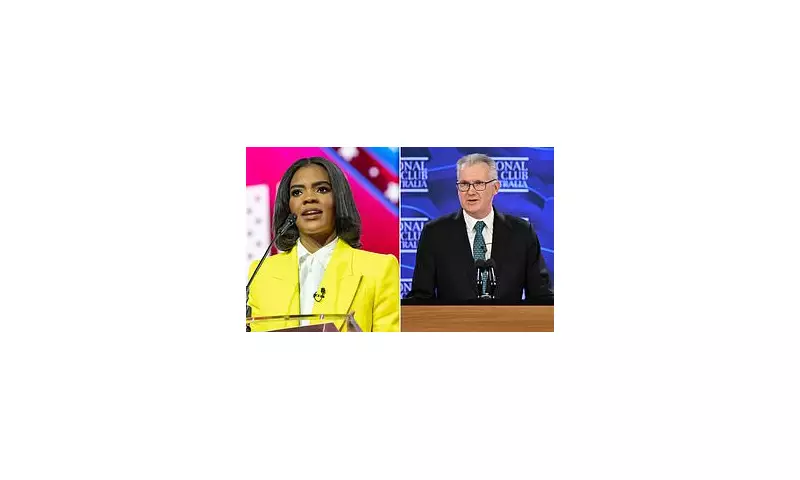
In a dramatic move that's ignited fierce debate about free speech and governmental power, Australia's Immigration Minister Tony Burke has personally intervened to block controversial American commentator Candace Owens from entering the country.
Visa Cancellation Sparks Political Firestorm
The decision to revoke Owens's visa comes just as she was preparing to embark on a speaking tour across Australia, with events scheduled in major cities including Perth, Melbourne, and Sydney. The sudden cancellation has left organisers scrambling and supporters crying censorship.
Minister Burke confirmed his direct involvement in the case, stating he used his ministerial discretion to prevent Owens's entry. While specific reasons for the ban haven't been formally detailed, the move follows Owens's history of making contentious statements on various social and political issues.

Free Speech Versus Border Control
The decision has immediately polarised political commentators and the public alike. Supporters of the ban argue that Australia has every right to determine who enters its borders, particularly when individuals promote views that could threaten social harmony.
However, free speech advocates have condemned the move as an alarming example of government overreach. "This sets a dangerous precedent," argued one political analyst. "When governments can silence voices they disagree with, we're on a slippery slope toward authoritarianism."
Pattern of Controversial Figures Facing Australian Bans
This isn't the first time Australia has blocked controversial international speakers. The country has previously denied entry to various figures across the political spectrum, though the Owens case represents one of the highest-profile interventions in recent memory.
The timing is particularly sensitive given ongoing debates about hate speech laws, cancel culture, and the limits of acceptable public discourse in Western democracies. The incident raises fundamental questions about where to draw the line between protecting free expression and preventing potential harm.
What Happens Next?
Owens's team and event organisers are reportedly considering their options, though overturning a ministerial decision of this nature presents significant legal challenges. The controversy shows no signs of abating, with both sides digging in for what promises to be an extended battle over principles that strike at the heart of democratic societies.
As the dust settles, one thing remains clear: the conversation about who gets to speak, where they can speak, and who gets to decide is far from over.






