Disturbing 911 Calls Expose Crisis at ICE's Largest Detention Facility in Texas
An alarming series of 911 calls from staff at Camp East Montana, the largest U.S. Immigration and Customs Enforcement detention facility in the nation, has unveiled a harrowing portrait of misery and neglect within its walls. Located in El Paso, Texas, the facility saw nearly one emergency call per day over five months, each documenting incidents of attempted suicide, violent altercations, and severe medical distress among detainees.
A Facility Plagued by Despair and Overcrowding
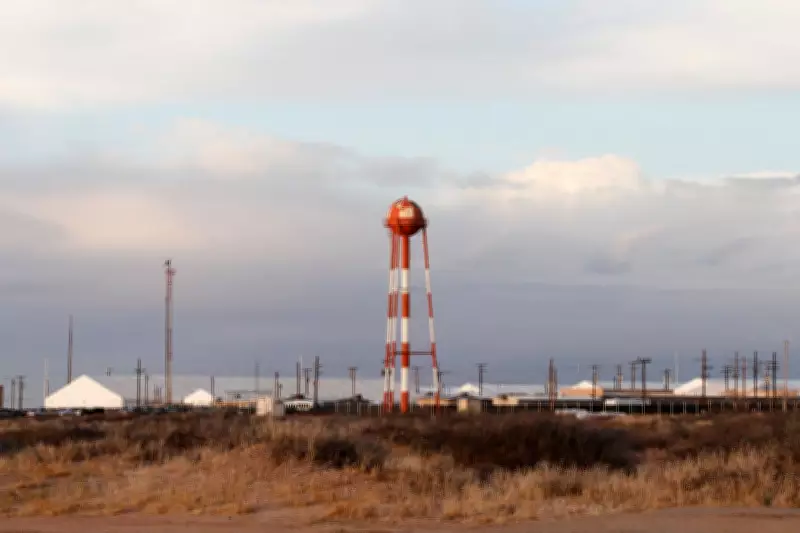
Camp East Montana, situated on the U.S. Army base Fort Bliss in the Chihuahuan Desert, was hastily constructed last summer following a contract worth up to $1.3 billion awarded to Acquisition Logistics LLC. The pop-up village features six long tents housing thousands of immigrants in color-coded uniforms, but behind this facade lies a reality of overcrowding and unsanitary conditions. Detainees report living in loud, windowless tents with leaking ceilings, limited sunlight, and communal pods where diseases spread rapidly.
"Every day felt like a week. Every week felt like a month. Every month felt like a year," said Owen Ramsingh, a former detainee deported to the Netherlands in February. "Camp East Montana was 1,000% worse than a prison." Ramsingh described filthy rooms infested with insects, food theft due to hunger from small and sometimes inedible meals, and a toll on mental health that pushed many to contemplate suicide.

Medical Neglect and Suicidal Incidents
An analysis of more than 130 911 calls obtained by the Associated Press, along with follow-up interviews and court filings, reveals a pattern of medical neglect. Detainees struggled to obtain essential medications, with cases including a Cuban immigrant in his 50s who never received drugs for diabetes, high blood pressure, and an enlarged prostate during his six-week detention. He was eventually pressured to self-deport to Mexico to access healthcare, separating him from his family in El Paso.
Suicidal incidents were distressingly common. Records show at least six occasions where detainees attempted self-harm while expressing suicidal thoughts, leading to emergency calls. In a particularly chilling account, Ramsingh reported overhearing security guards discussing a betting pool on which detainee would die by suicide next, with one guard contributing $500. This talk occurred despite ICE's claim that medical staff closely monitor at-risk individuals and provide mental health treatment.
Deaths and Injuries Amid Systemic Failures
The facility has been linked to multiple deaths. On January 3, a 55-year-old Cuban man, Geraldo Lunas Campos, died from asphyxia after guards used handcuffs and force to restrain him following a self-harm attempt; a medical examiner ruled it a homicide. Days later, a 36-year-old Nicaraguan man died by suicide after being detained in Minnesota. Injuries ranged from teenagers to retirees, with reports of seizures, head trauma, and broken bones left untreated, such as an Ecuadorian detainee whose fractured arm was only given aspirin.
Most detainees, about 80% according to ICE data, had no criminal record, contradicting claims that the facility held the "worst of the worst." Instead, they were caught in a broad dragnet fueled by increased ICE funding and operations under the Trump administration's immigration policies. The average stay is nine days, but some have been held for months due to court cases or logistical issues, like Ramsingh, whose deportation was delayed after ICE lost his passport.
Political and Contractual Controversies
Advocates and lawmakers, including U.S. Rep. Veronica Escobar, a Democrat from El Paso, have called for the camp's closure, citing inhumane conditions and potential fraud. Escobar noted during visits that detainees were served frozen meals and protested the removal of juice, fruit, and milk from their diets. She also highlighted a missing inspection report from ICE that allegedly found over 60 violations of federal standards, though the Department of Homeland Security has dismissed such claims as false.

The camp's operations involve subcontractors like Akima Global Services for security and Loyal Source for medical services, raising concerns about accountability. Escobar has urged investigations into whether these contractors are delivering services paid for by taxpayers, emphasizing that "people are losing their lives in their experiment."
Ongoing Crisis and Future Uncertainty
As of early March, the facility faced a measles outbreak, leading to a closure to visitors until at least March 19. Despite DHS assertions that normal operations continue and detainees receive adequate food, water, and medical care, the Washington Post reported that ICE is considering a plan to shut down Camp East Montana. The stories from 911 calls and detainee testimonies paint a grim picture of a system failing those it holds, with calls for reform growing louder amid ongoing suffering.