The government has confirmed the closure of eleven additional hotels previously used to house asylum seekers, continuing its aggressive programme to relocate individuals into alternative forms of accommodation. This latest round of closures, announced on Tuesday evening, includes sites that have been focal points for public protest, such as the Britannia Hotel in Wolverhampton and the OYO Lakeside in St Helens.
Significant Reduction in Hotel Usage
This move brings the total number of hotels still being utilised for asylum accommodation below 190, marking a dramatic reduction from the peak of approximately 400 under the previous Conservative administration. The closures are projected to save taxpayers an estimated £65 million per year, according to official figures.
Borders Minister Alex Norris stated that hotel usage had become a costly and unsustainable stop-gap measure. "Hotels were meant to be a short-term solution, but the situation spiralled out of control, costing taxpayers billions and dumping the consequences on local communities," he said.
Alternative Accommodation Strategy
Minister Norris outlined the government's approach: "We are shutting them down by moving people into more basic accommodation, scaling up large sites, and removing record numbers of people with no right to remain. This is about restoring control, ending waste, and handing hotels back to the community for good."
The Home Office has confirmed that further closures will be announced soon, as ministers have pledged to completely end the use of hotels for asylum accommodation by the time of the next general election.
Army Barracks Become New Housing Solution
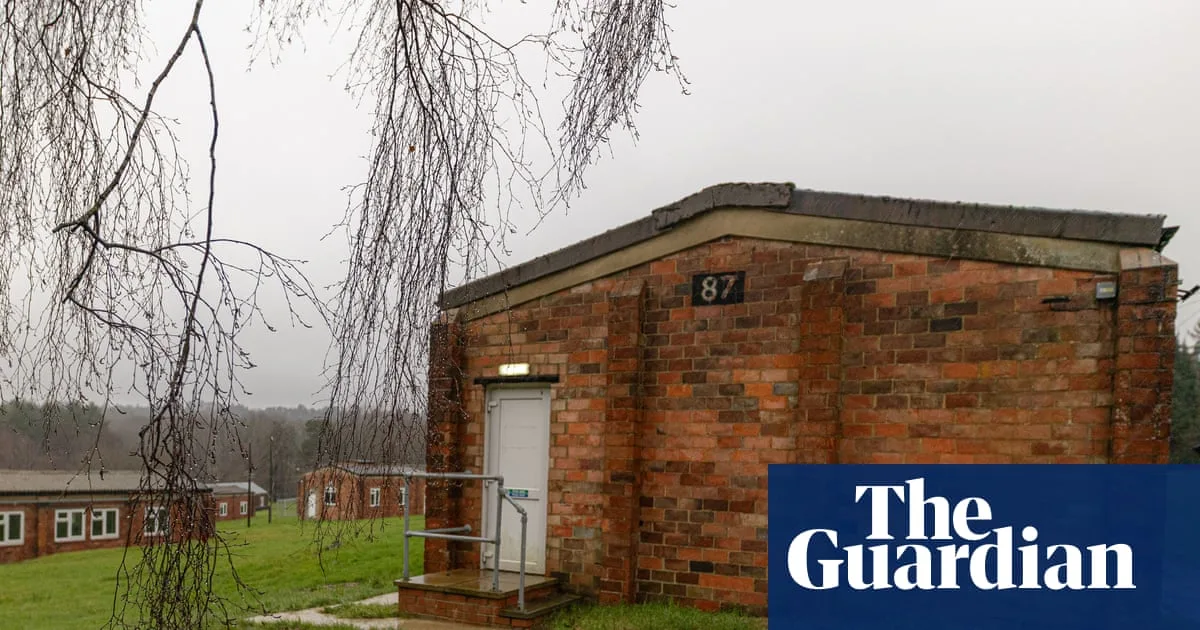
As part of this transition, hundreds of asylum seekers are now being relocated to former military facilities. Home Office officials revealed that approximately 350 individuals have been moved into the disused Crowborough Training Camp in East Sussex, which opened to asylum seekers in January.
This represents a significant shift in accommodation strategy, moving away from commercial hotels toward more basic, purpose-managed facilities.
Contrasting Accommodation Figures
Despite the reduction in hotel usage, the number of asylum seekers housed in hotels stood at 30,657 at the end of 2025. While this represents a 15% decrease from September 2025 figures, it remains above the record low of 29,561 recorded just before the 2024 general election.
Historical data shows hotel usage peaked in September 2023 with 56,018 asylum seekers accommodated in such facilities.
Simultaneously, the number of people in "dispersal accommodation" increased by nearly 3,000 throughout 2025. This category typically includes privately managed houses, flats, or rooms in properties of multiple occupancy, available only to asylum seekers who would otherwise be destitute.
Political Criticism and Response
Shadow Home Secretary Chris Philp criticised the government's approach, arguing: "The truth is, the most recent figures show there are more asylum seekers in hotels than at the time of the election. And that's despite the Government shunting people from hotels into residential apartments to hide what is going on."
Philp continued his critique, stating: "Those apartments are then not available for young people struggling to get on the housing ladder. Most asylum seekers are illegal immigrants. Keir Starmer has let in more small boat illegal immigrants than any prime minister in history, and numbers are 45% up since the election."
The Conservative shadow minister outlined an alternative approach: "The Conservative plan is to leave the ECHR so that illegal immigrants are deported within a week of arrival – not put up in hotels or apartments. But Labour is too weak to do that."
The government maintains that its current strategy represents the most practical approach to managing asylum accommodation while reducing costs and returning hotels to their intended commercial purposes.