

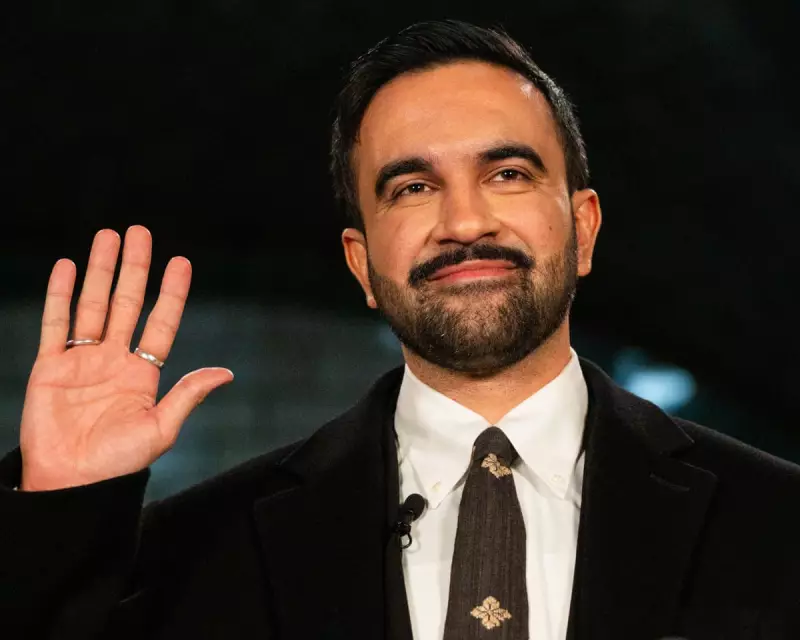
In a historic moment for New York City, Zohran Mamdani was sworn in as the city's new mayor just after midnight on New Year's Day 2026. The 34-year-old democratic socialist made history by becoming the first ever Muslim to hold the office.
A Midnight Oath in a Hidden Landmark
The private ceremony took place in the early hours of the new year at a highly symbolic location: the abandoned beaux-arts subway station beneath City Hall. Mamdani took his oath of office with his hand placed on his grandfather's Qur'an, a deeply personal touch for the landmark occasion.
He was sworn in by New York Attorney General Letitia James. In attendance were his wife, Rama Duwaji, and members of his immediate family. This included his mother, the film-maker Mira Nair, and his father, Mahmood Mamdani, a renowned professor of African studies at Columbia University.

A Testament to Public Transit and Progressive Vision
Addressing the small gathering, Mayor Mamdani called the moment "the honor and the privilege of a lifetime." He directly linked the unique venue to his administration's values, stating the old City Hall station was "a testament to the importance of public transit to the vitality, the health, the legacy of our city."
The new mayor expressed his eagerness to begin work, telling those present, "I cannot wait to see everyone tomorrow as we begin our term."
Public Inauguration to Follow
The intimate midnight event sets the stage for a larger public inauguration scheduled for 1pm Eastern Time at City Hall. This ceremony will prominently feature leading figures from the progressive wing of the Democratic Party.
Bronx Democratic Congresswoman Alexandria Ocasio-Cortez is set to introduce the new mayor, while the oath of office will be administered by Vermont Senator Bernie Sanders. This line-up underscores the political alignment and support for Mamdani's democratic socialist platform.
The dual ceremonies—one private and symbolic, the other public and political—mark the definitive start of a new era for the governance of America's largest city under its youngest and most diverse mayor to date.






