
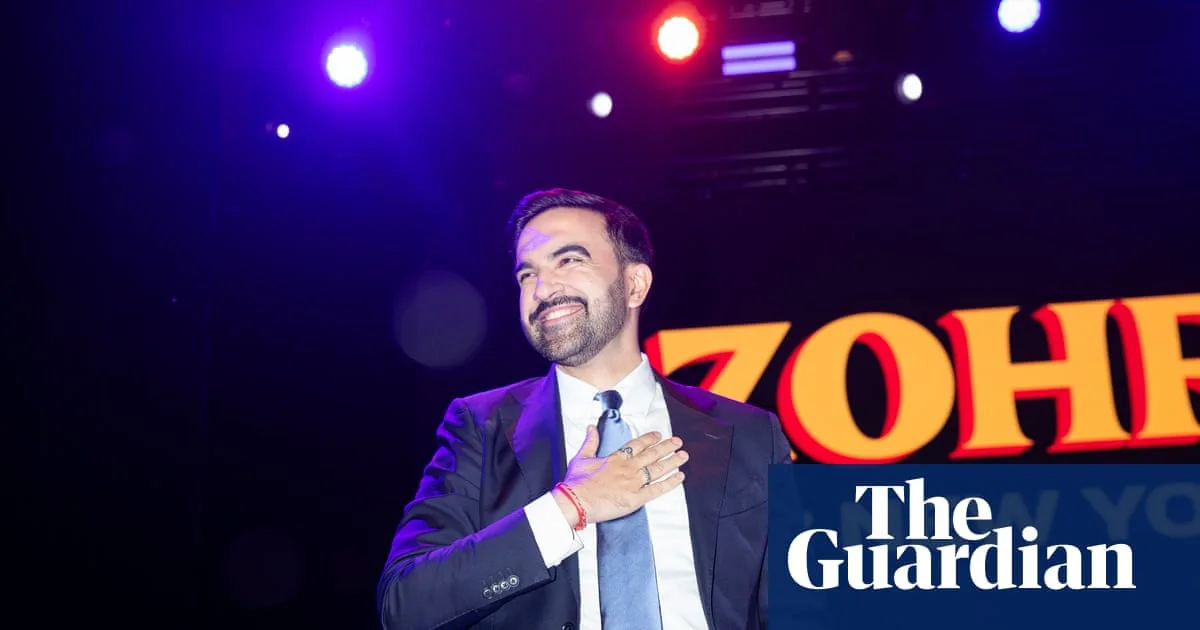
Democratic socialist Zohran Mamdani has been elected as the 111th mayor of New York City, making history as the city’s first Muslim mayor. The 34-year-old state assembly member from Queens secured more than 50% of the vote, defeating former governor Andrew Cuomo, who ran as an independent and garnered just over 40%, and Republican candidate Curtis Sliwa, who received just over 7%.
Mamdani’s victory also marks the first time a person of south Asian descent has held the office, and he becomes the youngest mayor in over a century. His grassroots campaign, fuelled by small-dollar donations and thousands of volunteers, centred on affordability, including proposals to freeze rents on rent-stabilised units, build more affordable housing, raise the minimum wage to $30 an hour, and increase taxes on the wealthiest residents.
After winning the Democratic primary in June, Mamdani faced a general election challenge from Cuomo, who resigned as governor in 2021 amid sexual harassment allegations (which he denies). Despite Cuomo’s efforts to stage a political comeback, polls consistently showed Mamdani maintaining a comfortable lead. The mayoral debates saw clashes over crime, Israel, housing, and relations with the Trump administration.
Mamdani received endorsements from prominent national progressives such as Bernie Sanders and Alexandria Ocasio-Cortez, as well as New York figures like Representative Jerry Nadler, Attorney General Letitia James, and Governor Kathy Hochul. However, both US senators from New York, Chuck Schumer and Kirsten Gillibrand, notably declined to endorse in the race.
Mamdani’s victory was part of a strong night for Democrats elsewhere. Congresswoman Abigail Spanberger became Virginia’s first female governor, Mikie Sherrill won the New Jersey governor’s race, and California voted for redistricting maps expected to yield five new congressional seats for the party.




