
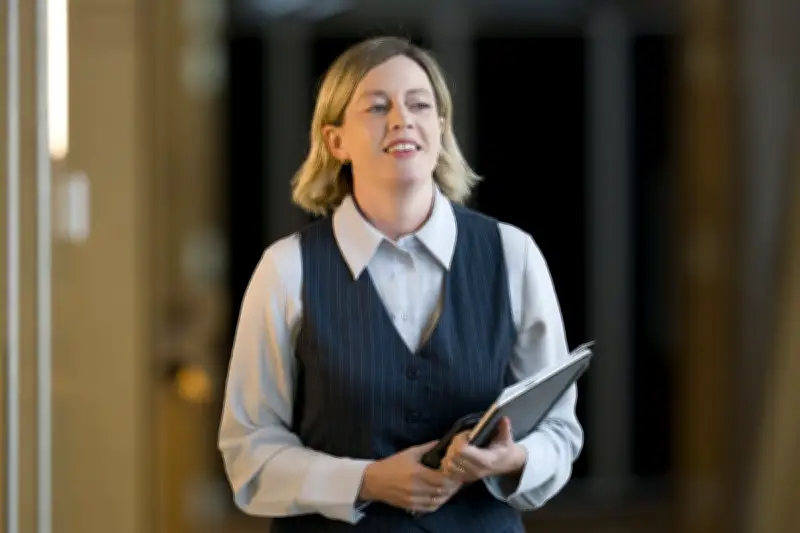
Deputy First Minister Highlights Security Concerns for Women in Politics
Scotland's Deputy First Minister Jenny Gilruth has stated that women in politics can 'experience challenges that others might not' when it comes to personal security. Speaking to journalists during a visit in Glasgow, Gilruth acknowledged that she is 'very aware' of security issues, particularly as a woman in public office.
Her comments came in the wake of the death of former Conservative minister Ann Widdecombe, who later joined Reform UK. The 78-year-old was found dead at her home in Haytor on Dartmoor at approximately 11:40am on Thursday after sustaining serious injuries. Counter-terrorism police are now leading the investigation into her death.
Investigation into Ann Widdecombe's Death
A 28-year-old white British man initially arrested on suspicion of murder on Saturday has been re-arrested on suspicion of the commission, preparation or instigation of acts of terrorism. Gilruth declined to comment on the ongoing case, stressing it is a 'live investigation'.
However, she noted that security guidance for MSPs had been updated following the killings of MPs Sir David Amess and Jo Cox. 'We all have a level of security provision as MSPs in our own personal addresses and also in our own local offices,' she said, adding that politicians are often 'on the front line'.
Social Media Amplifies Risks
Gilruth highlighted that social media makes politicians 'much more accessible' than previously, leading to regular commentary on their actions and statements. 'I think security is something I think about, perhaps not on a daily basis, but it is something I am very aware of, particularly as a woman,' she stated.
She emphasized the need to be 'mindful' of these challenges to encourage more women to enter politics. 'If we want more women to come into politics, we don't want them to be put off because of the security challenges around being elected,' Gilruth added.
Broader Implications for Female Politicians
The Deputy First Minister's remarks underscore ongoing concerns about the safety of female politicians. According to a 2022 study by the Inter-Parliamentary Union, 82% of women parliamentarians reported experiencing psychological violence, with 25% facing physical violence. Gilruth's comments align with these findings, calling for enhanced protective measures.




