

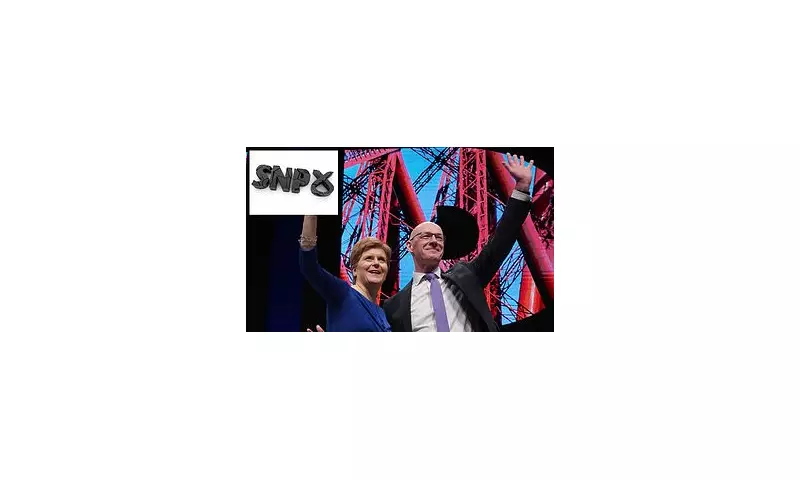
First Minister John Swinney has declared his intention to be a 'long-term' leader for Scotland, aiming to serve a full term if re-elected in May and stand again in 2031. For critics of the Scottish National Party, this prospect offers a bleak forecast of continued political paralysis and economic decline, with the upcoming Holyrood election framed as a critical chance for change.
A Permafrost of Paralysis
Opponents argue that nearly two decades of SNP governance have acted like a permafrost on Scottish public life, leading to widespread inertia and a failure to enact meaningful reform. This stagnation is starkly visible in the nation's public services, most notably the NHS.
Audit Scotland has judged the health service to be 'financially unsustainable'. A recent newspaper profile of NHS chief executive Caroline Lamb, who earns over £200,000 but is rarely seen on hospital front lines, included a revealing insight from a political insider. They noted a 'weariness in the civil service about suggestions of any reform that might rattle a special adviser to the SNP'.

The result, as described to the Sunday Times, is a management culture resigned to 'manage decline'—a downward spiral where accountability for manifest deficiencies is absent. This model of 'government by special adviser' is blamed for crises across Scotland's public sector.
Independence Obsession and a Docile Media
While public services struggle, the SNP's primary focus remains on independence. Mr Swinney's recent £30,000 'Fresh Start' independence relaunch was a humiliating failure, with the campaign group Scotland in Union finding only 3,934 people across the UK browsed the online prospectus in its first 33 days. On some days, as few as 28 people read the document.
Critics contend these rehashed proposals fail to address unresolved questions from the 2014 referendum, such as currency. Yet, the party's message often faces little rigorous challenge. A recent interview on the popular podcast The Rest is Politics, hosted by Alastair Campbell and Rory Stewart, was cited as an example of undue deference, allowing Mr Swinney to deliver unchallenged soundbites on education.
This docile media approach, coupled with a perceived paucity of effective opposition in Holyrood, fuels a voter sentiment that there is no real alternative to SNP rule.
The High-Tax Road to Fiscal Unsustainability
The financial legacy of the SNP's stewardship is a mounting crisis. Scotland is already the highest-taxed part of the UK, with devolved powers used to increase the burden to 'eye-watering levels'. The Scottish Fiscal Commission's 40-year projection indicates Scottish public spending will exceed funding by an average of 4.1% annually—a sharp deterioration from estimates made just in April.
Adjusting for potential UK Government fiscal pressures widens this gap to 13.2% per year. Devolved social security spending is set to soar from £6.22 billion this year to an estimated £9 billion annually by the end of the decade.
With a £5 billion hole in the nation's finances—larger than the annual budgets for transport or policing—another SNP government is seen as inevitably leading to higher taxation, despite Mr Swinney's insistence income tax will not rise. His credibility on taxes is questioned, given past manifesto promises on tax-grabs were broken.
Polling day in May 2024 is therefore presented not just as an opportunity to change government, but to change Scotland's trajectory—to end what critics label a long spell of torpor, mismanagement, and the stifling influence of a toxic nationalist agenda.






