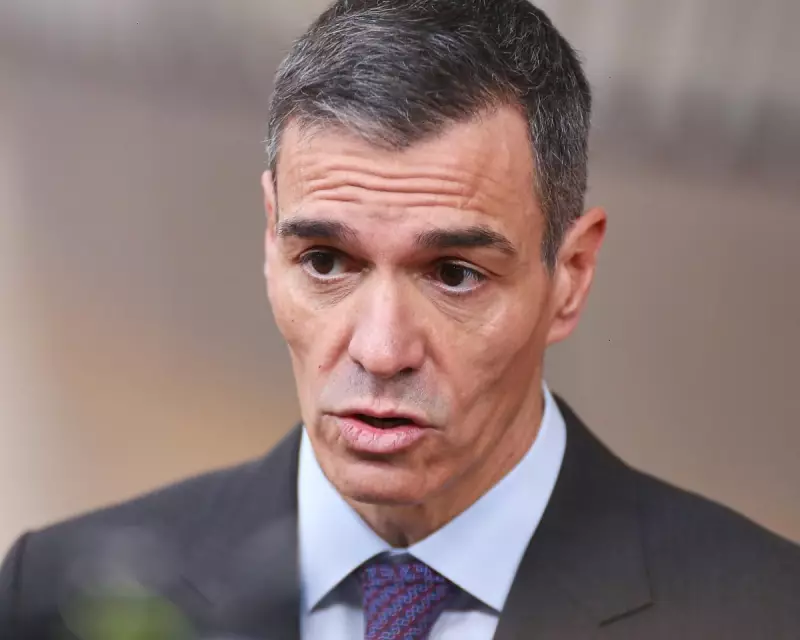
In a stunning political upset, Spain's ruling Socialist Party (PSOE) has been ousted from power in the southwestern region of Extremadura, ending a four-decade-long period of dominance. The result of Sunday's regional election deals a significant blow to Prime Minister Pedro Sánchez and his minority coalition government in Madrid.
A Historic Defeat in a Socialist Stronghold
The conservative Popular Party (PP), led by María Guardiola, secured a decisive victory, winning 28 seats in the regional assembly. This gives the PP a clear path to govern, likely with the support of the far-right Vox party, which won 5 seats. The combined right-wing bloc now commands 33 seats, a comfortable majority over the 32 needed to rule.
The PSOE, under regional leader Guillermo Fernández Vara, managed to secure only 28 seats, a catastrophic drop from the 35 it held previously. This loss is particularly symbolic as Extremadura has been a traditional Socialist bastion for over 40 years. Fernández Vara, who had served as the region's president since 2007, conceded defeat and announced he would not seek to lead the party in the assembly.

National Repercussions for Sánchez's Government
The outcome sends shockwaves through Spain's national political landscape. Prime Minister Pedro Sánchez leads a fragile coalition in Madrid, reliant on the support of smaller regional parties. The defeat in a core territory weakens his standing and emboldens the opposition.
Analysts view the result as a clear indicator of shifting voter sentiment. The PP's campaign, focusing on local issues and criticising the national government's policies, resonated with the electorate. The strong showing by Vox also confirms the continued influence of the far-right in Spanish politics, complicating the political dynamics in several regions.
The election was called after the previous PSOE-led coalition government collapsed in November following a budget dispute with its junior partner, United Left (IU). That internal rupture paved the way for the PP's advance.
What Comes Next for Extremadura and Spain?
María Guardiola is now poised to become the new president of Extremadura, marking a historic shift. Her administration is expected to align closely with the policies of the national PP leader, Alberto Núñez Feijóo, and will likely involve a governing pact with Vox.
For Sánchez, the loss is a severe setback. It reduces his party's influence in the Senate, where regional elections determine representation, making it even harder to pass legislation at the national level. The result will undoubtedly intensify pressure on his government and could trigger internal party criticism.
This regional election, often seen as a bellwether, suggests a challenging political climate for the Spanish left ahead of future national votes. The end of Socialist rule in Extremadura closes a long chapter and opens a new, uncertain period for both the region and the country's governing coalition.