
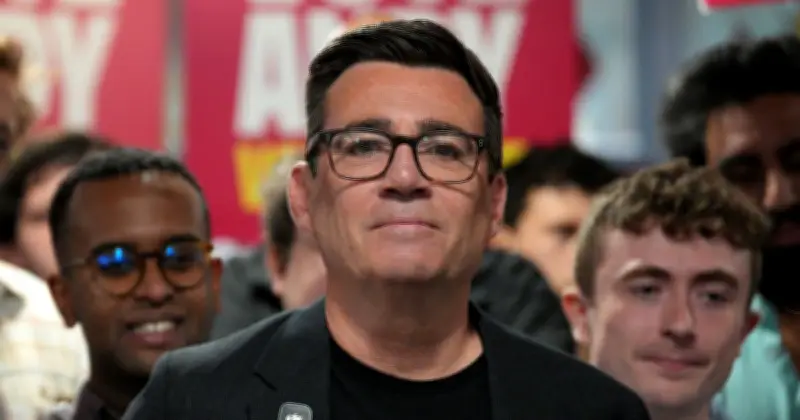
Andy Burnham is on course to become Britain's next Prime Minister after securing the backing of the vast majority of Labour MPs in the party's leadership race. The former Greater Manchester mayor is expected to become Labour leader unopposed later this month after becoming the only candidate to secure enough nominations to stand. He is then expected to be invited by King Charles III to form a government following Sir Keir Starmer's formal resignation.
Burnham Rules Out Immediate Election
Burnham has already ruled out calling an immediate general election, insisting he intends to govern on the basis of Labour's 2024 election manifesto. "I'm going to work to the 2024 manifesto," he said during an online forum last week.
Under the UK's constitutional arrangements, a new Prime Minister is not required to call a general election after taking office. Instead, they can continue governing provided they command the confidence of the House of Commons.
Landslide Majority and Precedent
Labour won a landslide majority at the 2024 general election, meaning the next nationwide vote does not have to take place until 2029 unless the Prime Minister chooses to go to the country sooner. Several recent Prime Ministers, including Theresa May, Boris Johnson, Liz Truss and Rishi Sunak, all entered Downing Street after winning internal party leadership contests rather than a general election.
Arguments For and Against
Supporters argue Burnham has a democratic mandate through Labour's Commons majority and should focus on delivering the government's programme. Critics, however, believe a new Prime Minister should seek their own mandate from the public through an early general election.
What do you think? Should Andy Burnham call a general election when he becomes Prime Minister? Vote in our poll.




