Nepal's 2026 Election: A Critical Juncture for the Nation
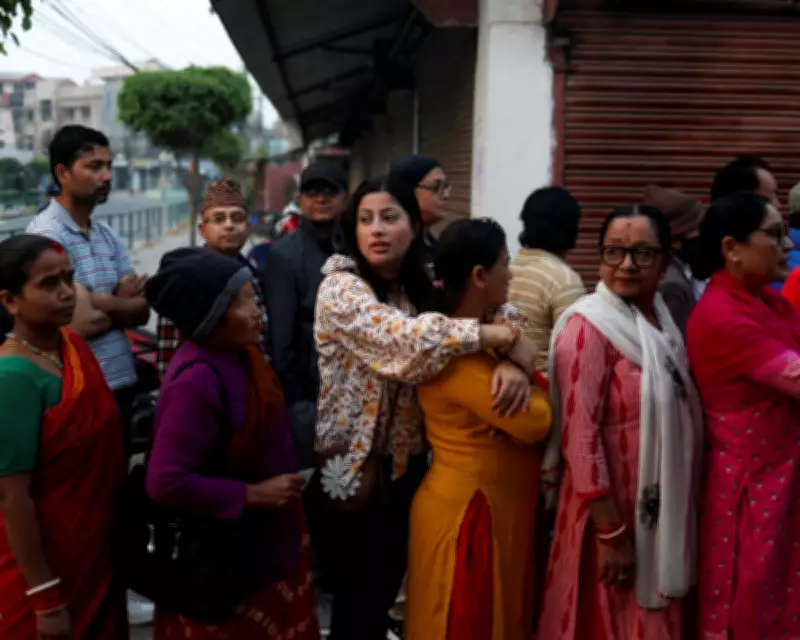
Voting is currently underway in Nepal's 2026 general election, marking a significant moment in the country's political landscape. Citizens across the nation are heading to polling stations to cast their ballots in what is widely seen as a pivotal contest that could reshape Nepal's governance and future direction.
Key Figures and Political Dynamics
The election features prominent candidates, including Balen Shah, a notable independent figure, and KP Sharma Oli, a veteran leader from the Communist Party of Nepal (Unified Marxist–Leninist). Their participation underscores the diverse political spectrum in play, with issues such as economic development, constitutional reforms, and social welfare at the forefront of campaign debates.
Observers note that voter turnout appears robust, reflecting the high stakes involved. Security measures have been heightened to ensure a smooth and peaceful voting process, with authorities deploying personnel across polling centers to maintain order.

Implications for Nepal's Future
This election is crucial for Nepal's stability and progress, as it follows years of political transitions and challenges. The outcome will determine the composition of the federal parliament and influence policies on key areas like infrastructure, foreign relations, and public services.
International monitors are present to oversee the proceedings, emphasizing the global interest in Nepal's democratic process. Preliminary results are expected in the coming days, with analysts predicting a closely contested race that could lead to coalition-building efforts.
As voting continues, the nation watches with anticipation, hoping for a transparent and fair election that strengthens its democratic foundations and addresses the aspirations of its people.