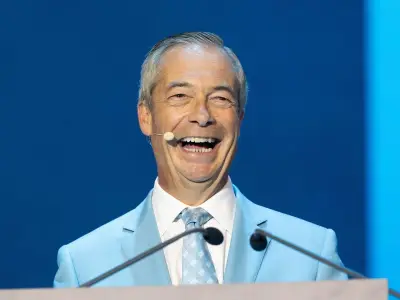
Nigel Farage has hailed a 'historic shift in British politics' after Reform UK made significant gains in the English local elections, taking control of Essex County Council, Havering in London, and Sunderland City Council. The party also performed strongly in the Welsh Senedd elections, finishing second with 34 seats.
Reform's advances came at the expense of both Labour and the Conservatives, particularly in heartland areas. In Essex, home to prominent Tory MPs including Kemi Badenoch and James Cleverly, the party went from a single representative to controlling the council. In Sunderland, a Labour stronghold since 1973, Reform won 43 seats.
However, the results were not without setbacks. The Conservatives held all 11 district council seats in Harlow, Essex, and Reform fell short of taking control of Bexley Council in London. Pollster Peter Kellner suggested the party may have peaked, noting that its share of seats contested in England fell from 41% last year to around 35% this year.

Farage dismissed concerns, stating the party was 'two-thirds' of the way to its general election goals and that the door was now closed to Tory defectors, but open to 'patriotic old Labour' MPs. He insisted Reform was competitive across vast geographical areas, despite weaknesses in big cities.
Early analysis shows Reform's vote share grew most in areas with greater socioeconomic deprivation, with an average increase of 30 percentage points in the most deprived areas compared to 20 points in the least deprived.