
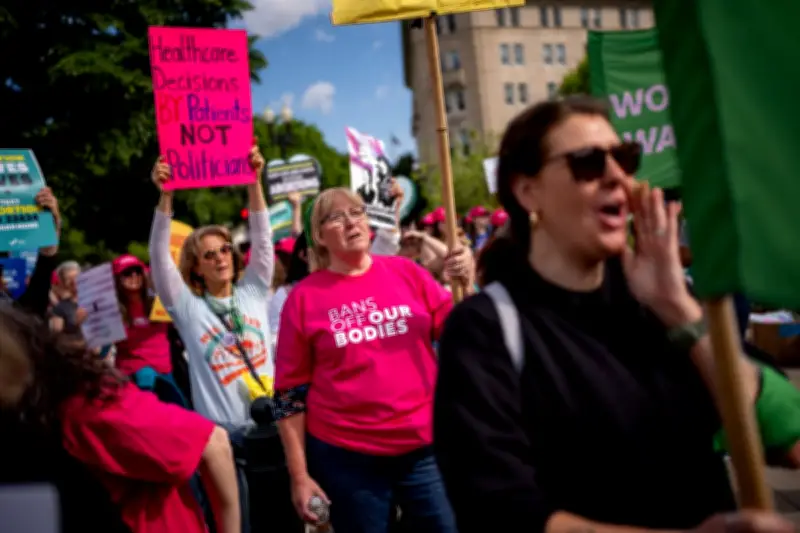
One of the strictest abortion bans in the United States could be overturned this November after Idaho's secretary of state certified a ballot measure on Monday. The measure, proposed by the volunteer-run group Idahoans United for Women & Families, would reverse the state's current ban on abortion at all stages of pregnancy.
Ballot Initiative Gathers Over 100,000 Signatures
The group collected more than 100,000 signatures, surpassing the required 70,725 to qualify for the ballot. If approved by voters, the measure would establish a law for "reproductive freedom" rather than amend the state constitution. This would make Idaho's law similar to its pre-2022 status before the U.S. Supreme Court overturned Roe v. Wade.
Proposed Law Details
The new law would allow abortion until fetal viability, generally considered around 21 weeks into pregnancy. It would also protect individual choices regarding abortion, contraception, and fertility treatment. This contrasts with Idaho's current ban, which prohibits abortion at all stages and only allows exceptions to save the woman's life or in cases of rape or incest. Idaho is one of six states where the ban lacks exceptions for the woman's health.
Impact on Healthcare Providers
According to the 19th, the ban has driven many doctors providing pregnancy-related care out of Idaho due to severe penalties. In 2023, four women sued the state after experiencing pregnancy complications and being denied abortions. David Ripley, CEO of the anti-abortion group Idaho Chooses Life, told the Associated Press: "This is going to have a profound impact on Idaho and will basically invalidate virtually every pro-life law that the legislature has enacted over the last 30 to 40 years."
National Context
Since Roe v. Wade was overturned, abortion rights advocates have won 14 out of 18 statewide referendums. Idaho's measure is part of a broader trend. Virginia and Nevada, which allow abortion up to 24 weeks, are considering constitutional amendments to enshrine abortion rights. Missouri is taking the opposite approach, letting voters decide whether to reinstate a previous ban undone by a 2024 constitutional amendment.




