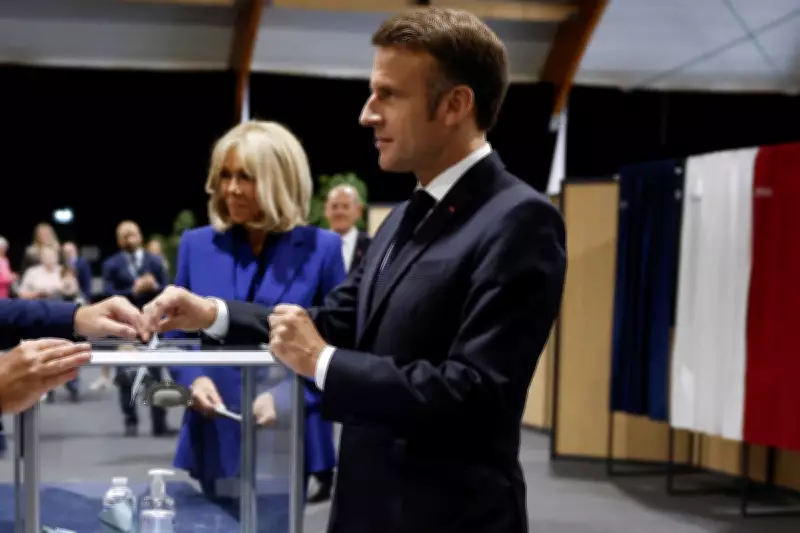
France is preparing for municipal elections on March 15 and 22, which are widely regarded as a critical test ahead of the 2027 presidential election. These local contests will gauge the momentum of the far-right National Rally (RN) and reveal possible alliances in the country's fragmented political landscape.
The Significance of the Municipal Elections
The two-round ballot is not merely about local governance; it serves as a barometer for national political trends. With nearly 35,000 separate contests across France, the outcomes will provide insights into voter sentiment and party strategies leading up to the presidential race. The elections are particularly important because they involve complex local issues and a two-round system that can lead to unexpected mergers between candidate lists, making predictions challenging.
Key Players and Battlegrounds
The National Rally aims to consolidate its control in existing towns and expand into larger urban areas, such as Marseille, Paris, and Toulon. To achieve this, the party has fielded significantly more candidates than in previous election cycles, seeking to build momentum for the 2027 presidential vote. Other major parties, including the Socialists, Greens, hard-left France Unbowed, and conservative Republicans, are also competing fiercely for control in these key battlegrounds.

Implications for the 2027 Presidential Election
The results of these municipal elections could shape the political alliances and strategies for the 2027 presidential race. A strong showing by the National Rally might signal a shift in public opinion and influence coalition-building efforts among other parties. Conversely, gains by centrist or left-wing groups could indicate a more fragmented opposition to the far-right movement.
Overall, these local elections are more than just a routine political event; they are a pivotal moment that will set the stage for France's future political direction, highlighting the importance of local issues in national politics.