
The Department for Work and Pensions has provided a major update on changes to the state pension age that will affect millions of people. The phased increase from 66 to 67 has already begun this year, with further rises under consideration.
Current Changes Underway
The state pension age is currently 66 but will rise gradually over the next two years until it reaches 67. Those born between 6 April and 5 May 1960 will be the first affected, having to wait an extra month before receiving their pension payments.
Review Date for Rise to 68
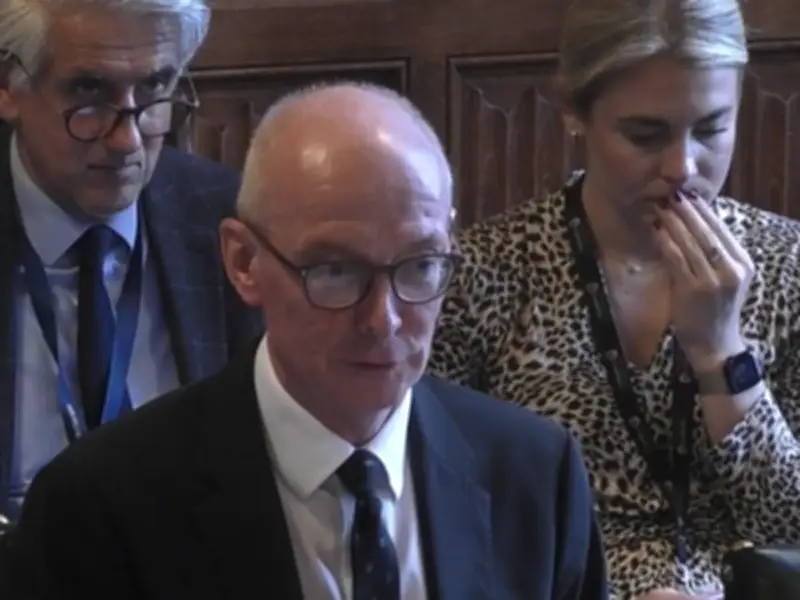
During Work and Pensions questions, MP Damien Egan asked about the next phase of increases, which could see the pension age rise to 68 or higher. Work and Pensions Secretary Pat McFadden confirmed that a review is scheduled for March 2029. He stated: “There are periodic reviews of this built into the process. The state pension age has been rising in the last couple of decades. I do not want to pre-empt anything, but that review is built into the process. That is the timescale, and I have no changes to announce on that this morning.”
Concerns Over Life Expectancy Data
Committee chair Debbie Abrahams raised concerns that the increase is based on rising life expectancy, but new figures show healthy life expectancy has fallen by two years on average, with some areas experiencing worse declines. She asked whether the government would consider healthy life expectancy as a marker for pension age decisions.
Mr McFadden responded: “We should consider all these factors. I am conscious of and stand by what I just said to Mr Egan about how the same age can feel different and be experienced differently by people in different parts of the country. I am not trying to duck the question when I say this, but these are difficult decisions. You have to take into account affordability for the country, because even though it is a contributory system, it really works as a pay-as-you-go system. It has to be affordable and give people security in retirement, but it has to take into account the factors that you raise as well.”
Impact on Older Workers
Mr Egan highlighted concerns about older people’s ability to keep working, noting that half of 66-year-olds in the lowest income brackets are already frail. He asked what the government would say to older groups who are anxious about losing jobs and re-entering the workplace.
Mr McFadden replied: “I am an optimist about growing older; I hope people see a productive working life when well up in years. One part of the story is that the increase in the state pension age has been accompanied by increasing rates of employment in people close to state retirement age, but you are right that another part of the story is that being 67 or 68 years old can feel very different in different parts of the country. I represent a working-class, Black Country constituency where there is a tradition of physical work, and I know that it can feel quite different to be 67 or 68 years old in my constituency compared with leafier parts of the country. We have to bear that in mind and consider all these aspects when thinking about the state pension age in the future so that we have a system that is fair to everyone, is financially sustainable and does the best job it can to give people security in retirement.”
Timeline of Changes
The UK Government has altered the timing of the state pension age increase. Instead of reaching pension age on a fixed date, those born between 6 March 1961 and 5 April 1977 will become eligible upon turning 67. The increase from 66 to 67 began in April 2026 and will be fully implemented within two years.
When the pension age previously rose from 65 to 66, an additional 100,000 65-year-olds were pushed into absolute income poverty compared to before the change.
Detailed Schedule
- 6 April 1960 – 5 May 1960: 66 years and 1 month
- 6 May 1960 – 5 June 1960: 66 years and 2 months
- 6 June 1960 – 5 July 1960: 66 years and 3 months
- 6 July 1960 – 5 August 1960: 66 years and 4 months
- 6 August 1960 – 5 September 1960: 66 years and 5 months
- 6 September 1960 – 5 October 1960: 66 years and 6 months
- 6 October 1960 – 5 November 1960: 66 years and 7 months
- 6 November 1960 – 5 December 1960: 66 years and 8 months
- 6 December 1960 – 5 January 1961: 66 years and 9 months
- 6 January 1961 – 5 February 1961: 66 years and 10 months
- 6 February 1961 – 5 March 1961: 66 years and 11 months
- 6 March 1961 – 5 April 1977: 67 years




