A significant shift in British politics could see lifelong Conservative supporters casting tactical votes for Labour at the next general election, with the primary aim of keeping Nigel Farage and his Reform UK party out of Downing Street. This startling prospect, highlighted by analyst John Rentoul, underscores the complex cross-currents that may define the upcoming national poll.
The Barwell Warning: A 'Politically Insane' Strategy
The debate was ignited by comments from Conservative Party Chair, Kevin Hollinrake. When pressed by The Telegraph on Saturday 20 December 2025 to choose between an alliance with Nigel Farage or Liberal Democrat leader Ed Davey, Hollinrake stated he would "of course" choose Reform, citing shared beliefs on border control.
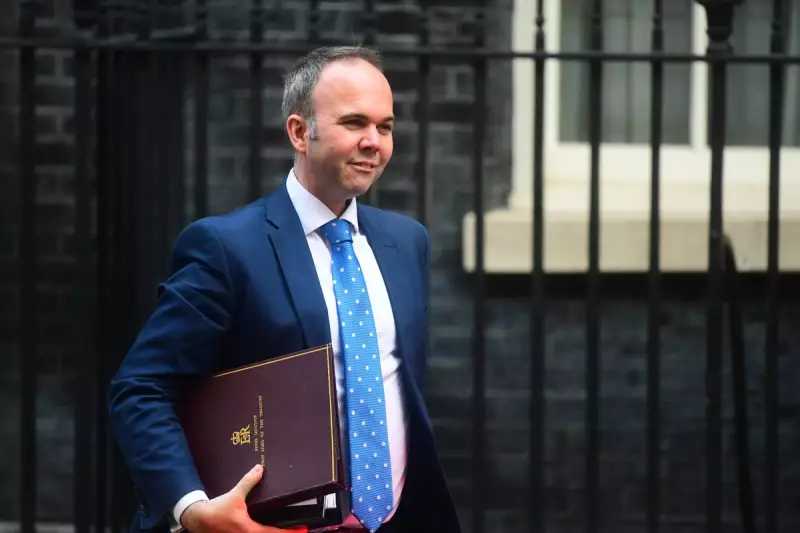
This stance was immediately challenged by former Tory MP and Theresa May's chief of staff, Gavin Barwell, now Baron Barwell of Croydon. On social media, Barwell labelled the position "politically insane". He argued that by not ruling out a post-election pact with Reform, the Conservatives would alienate potential tactical voters from Labour, the Liberal Democrats, and the Greens who are motivated to block Farage.

Barwell's central warning is that in many constituencies, the Tories will be directly challenged by Reform. To win, they may need votes from supporters of other parties who are deeply opposed to Farage. Hinting at a deeper moral objection, Barwell added in a subsequent post: "I also think it would be morally wrong to go into government with Reform." This implies that, faced with a binary choice, some centrist Tories like him might prefer a Labour government to one involving Reform.
Starmer's 'Macron' Gambit and the Bloc Theory Breakdown
This dynamic plays directly into the strategy of Labour leader Sir Keir Starmer and his chief of staff, Morgan McSweeney. Their aim mirrors the approach of French President Emmanuel Macron: to frame the election as a clear choice for or against Nigel Farage, thereby consolidating an anti-Farage coalition.
This approach challenges the fashionable "bloc" theory of voting behaviour. This theory suggests voters mainly switch parties within left-wing or right-wing blocs (e.g., Tory to Reform, or Labour to Green). Some academics therefore argue Labour should focus on winning back left-wing Green protest voters.
However, Rentoul contends this analysis is flawed. He argues that Green voters will likely return to Labour anyway if the alternative is Farage as Prime Minister. The more critical, and potentially more rewarding, target for Labour is socially conservative voters willing to cross traditional bloc lines. While perhaps less numerous, these voters "count double" as they simultaneously reduce Reform's tally and increase Labour's.
Growing Cross-Party Currents for 2026
Evidence suggests these cross-party currents are not merely theoretical. Rentoul reports encountering Labour members who would vote Tory, and lifelong Tories who would vote Labour, if it decisively stopped Farage. This sentiment is predicted to grow as the election nears.
Intriguingly, this may even influence Labour's tactical decisions. Rentoul predicts that Starmer is content to see the Conservatives regain some ground from Reform in the short term, as it strengthens the main party capable of splitting the right-wing vote. He notes that since October, the Tories have gained a couple of points in poll averages at Reform's expense. This, he suggests, is a trade-off Starmer is willing to accept, even if it means facing a stronger Tory attack at Prime Minister's Questions from figures like Kemi Badenoch.
The ultimate consequence is that anti-Farage tactical voting could become a defining feature of the next general election. Within that trend, one of the most significant groups may be centrist Conservatives who, when pushed to an uncomfortable choice, would rather see a Labour government than one led or propped up by Nigel Farage.