
Secrecy Surrounding Cabinet Appointments
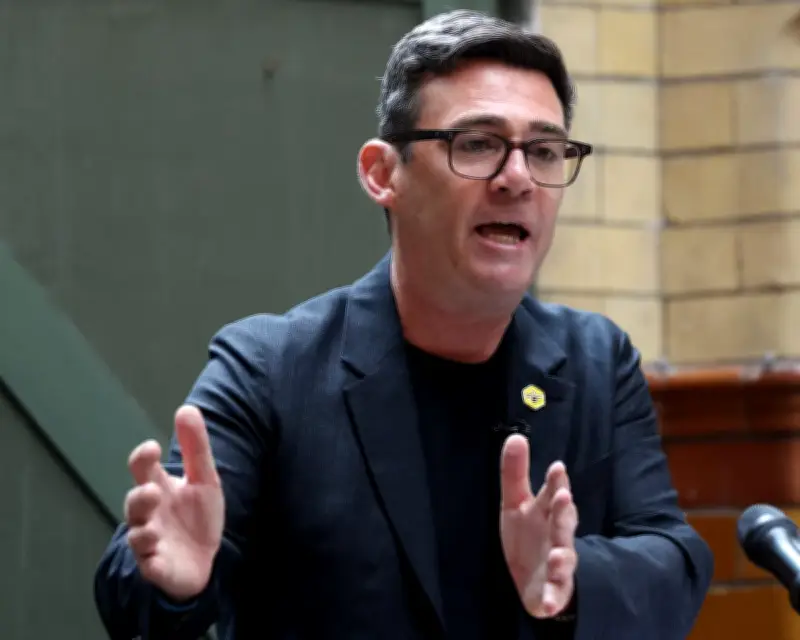
As Labour MPs left Portcullis House on the final day before parliament recessed, one MP struggled to describe the concentration of power in Andy Burnham's hands, likening it to the Kim dynasty in North Korea. While Burnham's leadership is described as congenial and receptive, never in British politics has such power been held by so few, leaving major Labour figures with minimal influence or leverage.
No cabinet minister or former leadership rival has any means to negotiate or pressure Burnham for a role; they can only wait. Burnham's plans are sealed in what MPs call 'the black box,' containing Burnham, his close confidante Louise Haigh, and new chief of staff James Purnell.
Paranoia and Speculation
Those outside the black box—including supportive MPs and cabinet ministers—hear rumors and make educated guesses but lack certainty. Even Burnham's closest staffers and parliamentary friends are kept out of the loop. This vacuum has sent Westminster into near hysterical paranoia. Wes Streeting, who considered himself a potential prime minister weeks ago, joked at a summer drinks reception about a retirement planning sponsorship banner. Key soft-left figures like Angela Rayner, Ed Miliband, and Lucy Powell are uncertain about securing their desired roles.
Burnham and Haigh previously used this strategy during the search for a byelection seat. The rumor mill about who would step down was wild, involving Andrew Gwynne, Jim McMahon, and Powell. When Wes Streeting threatened a contest, WhatsApp groups fell silent, and even Burnham's close friends were cut out. The resignation of Josh Simons in Makerfield came as a surprise despite being a possibility.
Consensus on Chancellor
Despite the secrecy, a consensus among serious operators close to Burnham suggests he intends to appoint Shabana Mahmood as chancellor, not Ed Miliband. These insiders gauge responses to lobbying efforts to keep Miliband out of No 11. However, those inside the black box claim no final decision has been communicated.
Downsides of the Black Box
The information vacuum has downsides: without official spokespeople, anyone can claim to represent Burnham's views. He has been reportedly irritated by cabinet briefings and those claiming to know his plans. With no staff or ministers but many enthusiasts seeking patronage, numerous 'allies' suggest policy directions or appointments without real knowledge or influence.
Burnham's strategy since returning to Westminster has been cautious, described as 'Ming vase-esque' given his appetite for risk in fighting the Makerfield byelection where Reform performed strongly. He has delivered one speech without press questions, one radio interview, and one friendly podcast. There is no manifesto or public strategy. He will enter No 10 on Monday with a policy proposition and a cabinet existing almost entirely in his mind, wielding unprecedented power that will never be matched again. Supporters hope the black box contains the plan they have been waiting for.




