
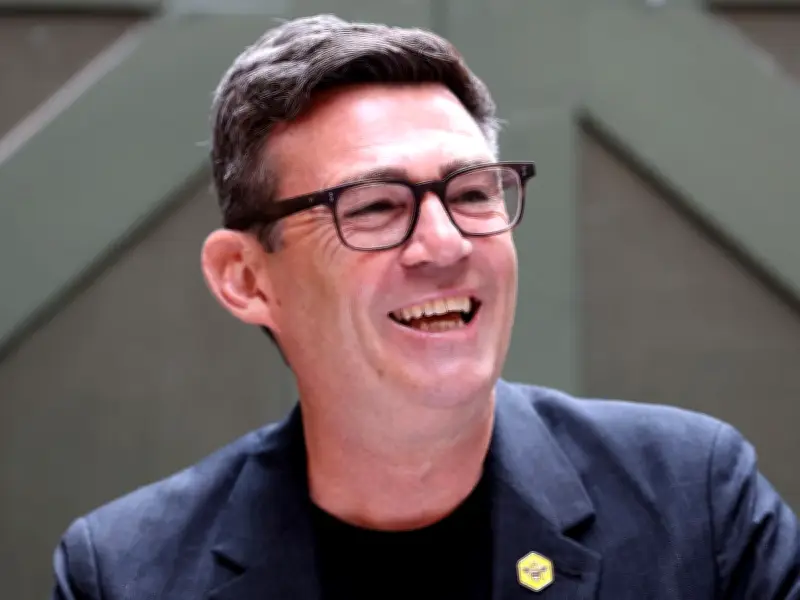
Andy Burnham is on course to become the next Prime Minister of the United Kingdom after securing the backing of 322 Labour MPs, representing 80% of the parliamentary party. The former Greater Manchester mayor received the nominations to replace Sir Keir Starmer by 5pm on Thursday, the first day formal nominations opened.
Overwhelming Support Prevents Challengers
With only 81 remaining Labour MPs who could nominate another contender, the minimum required to get on the ballot paper is 81. However, convention dictates that the outgoing leader does not nominate a candidate, meaning there are no longer enough undeclared MPs to back an alternative to Mr Burnham. Even before nominations opened, Mr Burnham seemed almost certain to enjoy a coronation as Labour leader, being the only declared candidate to succeed Sir Keir.
Mr Burnham said he was “deeply grateful” to the 322 MPs who had backed him, stating their support “comes from across the PLP and reflects a shared belief that Britain needs a new approach to politics.” He added: “I want to empower MPs to bring the experiences of their constituents into the heart of government and harness the full breadth of our Labour movement, drawing on all its traditions and beliefs in pursuit of a common purpose.”
Cabinet Support and Potential Challengers
Almost every member of the Cabinet backed Mr Burnham, including former health secretary Wes Streeting and former armed forces minister Al Carns, who had previously been regarded as potential challengers. Mr Streeting ruled himself out within minutes of Mr Burnham announcing his candidacy following Sir Keir’s resignation on June 22, while Mr Carns said on Wednesday he would not put himself forward.
Key Starmer ally Steve Reed was one of only four Cabinet members who did not nominate Mr Burnham on Thursday, along with Home Secretary Shabana Mahmood, Energy Secretary Ed Miliband, and party chairwoman Anna Turley. However, this does not necessarily indicate lack of support, as nominations must be made in person or through a limited number of proxy votes.
Starmer Endorses Burnham
As nominations opened on Thursday, Sir Keir told reporters he thought Mr Burnham would make a good prime minister, saying they had known each other “a long time”. The Prime Minister highlighted their collaboration on the Investigatory Powers Bill in 2015 and on Northern Powerhouse Rail since 2024, as well as Mr Burnham’s response to the attack on Heaton Park synagogue last year. Sir Keir said: “Andy was the first person I phoned to find out what was happening... I’ve always worked very well with Andy.”
Asked whether Mr Burnham would be a better prime minister than him, Sir Keir replied laughing: “These are things best judged by other people.”
Timeline and Foreign Policy Vision
Nominations remain officially open until July 16. In the absence of any other candidates, Mr Burnham will be formally declared Labour leader at a special conference on July 17 and is expected to become prime minister on July 20. Meanwhile, Mr Burnham set out more of his vision for British foreign policy, signalling a tougher stance towards Israel over its military operations in Gaza. In a social media video, he apologised for Labour’s previous stance, saying his party “didn’t get it right” and the UK had been “too slow to call for a ceasefire”.
Mr Burnham suggested that his government would “do more to strengthen our approach”, including “looking at further sanctions, both on those involved in the violence in Gaza, but also looking at measures to ban trade in goods with illegal settlements.” His comments followed an article in The Times in which he said he would seek stability in foreign policy, committing to Nato, the nuclear deterrent, close ties with the US, support for Ukraine, and closer relations with the EU.




