Academic Claims Cousin Marriage Fuels Voter Fraud in Manchester By-Election
The controversy surrounding allegations of voter fraud in the Gorton and Denton by-election has intensified significantly today. This follows a prominent academic asserting that the practice of cousin marriages serves as a primary driver of illegal 'family voting' activities in the constituency.
Correlation Between Family Voting and Cousin Marriages
Oxford-based academic Dr Patrick Nash has presented a compelling argument, highlighting a strong correlation between family voting and marriages between blood relations within the local Muslim community. Family voting, an illegal practice where a man enters the polling booth with his wife or daughters to dictate their voting choices, has been reported at record levels during this by-election.
Dr Nash estimates that up to fifty percent of the Muslim community in the constituency practises cousin marriage. He told the Mail that electoral fraud is typically perpetrated by South Asian Muslim clans, with higher rates of cousin marriage serving as a reliable predictor of high rates of fraud allegations. These clans are routinely courted by political parties to deliver bloc votes in exchange for lucrative local authority contracts and prestigious official positions.

Allegations of Widespread Fraud and Sectarian Politics
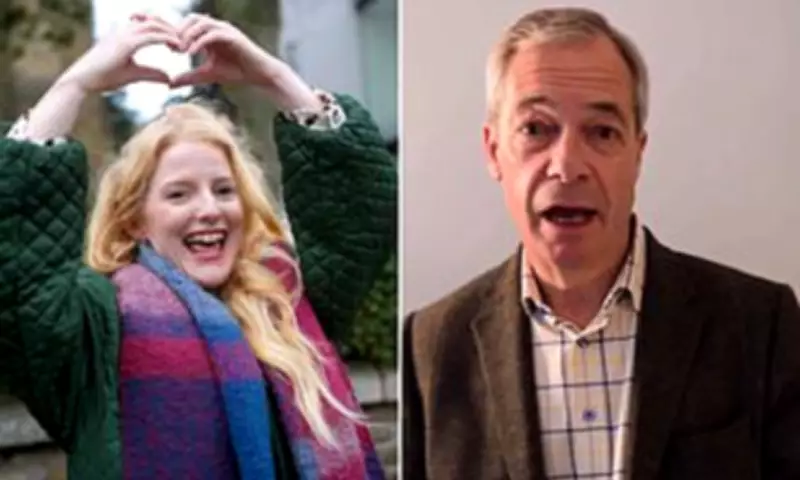
Independent election observers from Democracy Volunteers issued a rare report warning that as many as one in eight votes cast in the by-election may have been affected by family voting. This practice constitutes a criminal offence and carries potential prison sentences. The Green Party's Hannah Spencer secured a crushing victory in the contest, obtaining 40.7 percent of the ballot and overturning what was previously considered a safe Labour seat.
However, Ms Spencer's historic win has been immediately mired in allegations of sectarianism. The Greens targeted the constituency's large Muslim population with messages concerning the war in Gaza during their campaign. Reform UK leader Nigel Farage, whose party trailed the Greens by 4,402 votes, referred reports of family voting to Greater Manchester Police. He characterized Ms Spencer's triumph as a 'victory for sectarian voting and cheating' and called upon the Electoral Commission to launch a thorough investigation.
Political Reactions and Broader Implications
Kemi Badenoch commented that Labour had 'created the monster of harvesting Muslim community bloc votes' in previous elections, adding that 'that monster came back to bite them.' The Tory leader warned that the rise of sectarian politics is beginning to 'unravel the culture of tolerance that makes Britain great.' She further accused the Greens of running 'a nasty, sectarian campaign while simultaneously wanting to legalise crack cocaine.' Greens leader Zack Polanski has firmly denied fuelling sectarianism.
Dr Nash emphasized the urgent need for a cross-party agreement to address these issues. He advocated for banning cousin marriage and strengthening electoral safeguards to break up what he described as 'toxic mafia families.' Authorities have previously drawn connections between grooming gangs and cousin marriage, with Baroness Casey noting that two thirds of suspects offended within unsophisticated and informal groups, mainly consisting of brothers or cousins.
Systemic Vulnerabilities and Calls for Reform
The current electoral system has been criticized for its vulnerability to fraud. Lawyers point out that there is no mechanism to verify people's identification when they sign up for postal votes, creating significant loopholes. Veteran electoral judge Richard Mawrey QC highlighted that the system 'operates under trust' and assumes 'both voters and officials are honest,' making it open to abuse.
Critics are demanding an urgent investigation into voting practices at the by-election. However, the Electoral Commission has maintained that 'there is no evidence of large-scale electoral fraud.' Despite this assurance, the allegations have sparked a broader debate about electoral integrity, sectarian politics, and the cultural factors influencing voting behavior in diverse communities across Britain.