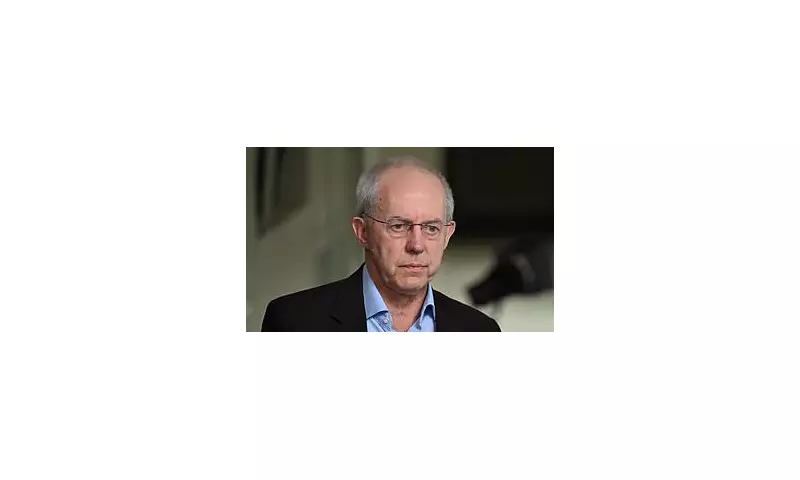
A significant majority of Church of England worshippers have stated they could stop giving money to weekly collection plates if their donations are used to fund a controversial £100 million slavery reparations programme.
Backlash Over 'Project Spire' Reparations Fund
The Church Commissioners, the institution's financial arm, are pressing ahead with the 'Project Spire' plan to spend the sum over nine years. This initiative was endorsed by the former Archbishop of Canterbury, Justin Welby, following a report which uncovered that a fund established by Queen Anne in 1704 to support poor clergy had invested in the African chattel slave trade.
Mr Welby publicly apologised, stating: 'I am deeply sorry for the links with transatlantic chattel slavery. That some within the Church actively supported and profited from it is a source of shame.' However, the plan has met with sustained criticism from both political figures and the Church's own congregation.

Poll Reveals Deep Congregational Opposition
A new survey conducted by Merlin Strategy, polling 500 churchgoing Anglicans, has laid bare the scale of dissent. It found that 61 per cent of respondents would redirect their donations to other charities if the Church earmarked money for reparations.
The data shows a clear preference for spending on local parish needs:
- 81 per cent said Church money should support local parishes instead.
- Only 19 per cent backed reparations as a spending priority.
- 71 per cent favoured funds going to repairs, maintenance, and running church buildings.
- 48 per cent supported funding regular services.
- Just 24 per cent said funding reparations for historic injustices should be prioritised.
Furthermore, 64 per cent agreed the Church should not be forced to use its funds to atone for historical injustices like slavery, regardless of its past involvement.
Legal and Political Challenges Mount
The backlash is not confined to the pews. Last month, Tory MPs and peers urged the incoming Archbishop of Canterbury, Dame Sarah Mullally, to scrap the plans. They argued the funds can only legally be spent on churches and clergy wages.
This legal concern was echoed in a report by the Policy Exchange think tank in February, which labelled the reparations plan 'historically uninformed' and suggested it may lack legal justification.
Despite the opposition, the Church of England remains committed to its course. A spokesman highlighted that £1.6 billion is being distributed over three years to support core ministry, including clergy wellbeing and funding for low-income parishes.
The spokesman defended the reparations commitment, stating it was 'the result of forensic research by leading independent experts, which evidences our historic links to this fundamental wrong.' They added that 'Recognising this past is consistent with the Church's responsibility for moral leadership.'
The standoff places significant pressure on Church leadership, balancing a moral reckoning with its history against the practical and financial concerns of its present-day congregation.