Zombie Ships Defy Iran's Blockade in Critical Oil Passage
Three vessels officially recorded as dismantled in shipbreaking yards have mysteriously navigated through the heavily guarded Strait of Hormuz, according to maritime tracking data. These so-called zombie ships have been detected using the unique identifier codes of vessels that were supposedly scrapped years ago, raising serious questions about maritime security and Iran's enforcement of its blockade.
Mysterious Passage Through Tehran's Controlled Waters
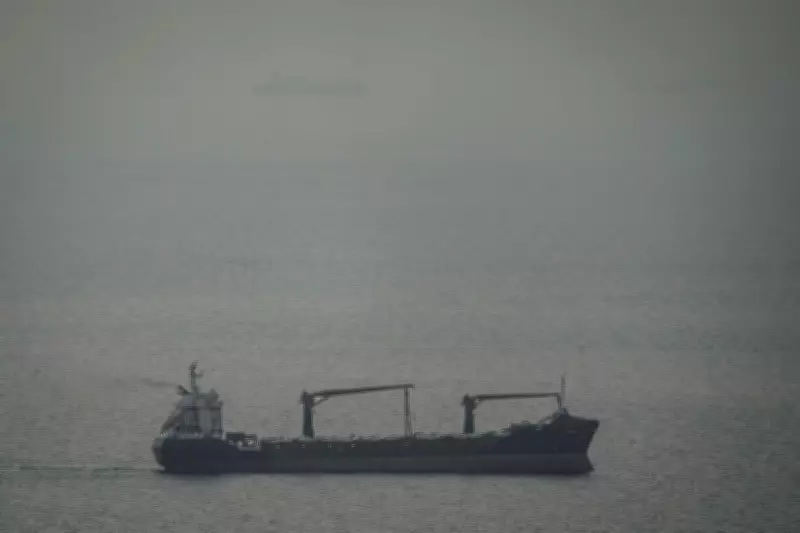
The LNG tanker Jamal, vehicle carrier Baltic Highway, and crude oil tanker Nabiin have all been tracked passing through the strategic waterway despite official records showing they were dismantled in India and Bangladesh between 2020 and 2023. According to maritime data firm Kpler, the Jamal was recorded off the coast of Dubai on Friday morning, only to be detected five times later that day near Iran on the eastern side of the passage.
MarineTraffic data confirms the Nabiin was picked up passing through the strait on Sunday after being detected earlier in the Persian Gulf. All three vessels were Japanese-owned, coinciding with reports from Japanese outlet Kyodo News that Iran was ready to support the passing of Japan-related vessels, according to Iranian foreign minister Abbas Aragchi.

The Tehran Toll Booth and $2 Million Passage Fees
Shipping journal Lloyd's List reports these ships likely passed through what maritime analysts call the Tehran Toll Booth on Qeshm and Larak Islands. At this checkpoint, Islamic Revolutionary Guard Corps personnel verify vessel details and, in certain cases, impose substantial passage fees. The journal indicates more than 20 vessels have used this route, with at least two being these zombie ships.
One ship is reported to have paid the IRGC $2 million for safe passage, according to shipping industry sources. This revelation comes as Iran maintains an effective blockade on the Strait of Hormuz, threatening use of drones and explosive boats against vessels that defy its restrictions.
Global Energy Implications and Historical Precedents
The Strait of Hormuz represents one of the world's most critical energy chokepoints, with one-fifth of global oil and LNG supplies passing through its narrow 25-mile-wide passage. Since the US-Israeli war against Iran began on February 28, Tehran has tightened control over the waterway, initially stranding up to 3,000 vessels and sending global energy prices soaring.
While Iran announced on Tuesday it would relax blockade conditions to allow non-hostile vessels through, global fuel supplies remain severely constrained. Energy prices continue to hover just below $100 per barrel, significantly above the pre-war price of $72.
The use of false identities by maritime vessels is not unprecedented. North Korea has employed similar tactics with its shadow fleets for decades, and Russia has adopted these methods since its 2022 invasion of Ukraine. However, this marks the first documented instance of such zombie ship tactics being used since the current conflict with Iran began.
Unanswered Questions and Ongoing Mysteries
Several critical questions remain unanswered regarding these mysterious passages:
- The true identities and current whereabouts of the vessels remain unknown
- Their cargo contents and destinations have not been disclosed
- How they obtained the identification codes of scrapped ships remains unclear
- The exact nature of their arrangements with Iranian authorities continues to be investigated
From the barren, jagged coastlines that line the strait, Iran maintains the capability to launch drones and explosive-laden boats against any vessel defying its blockade. The appearance of these zombie ships suggests either significant loopholes in Iran's enforcement or deliberate exceptions being made for certain vessels willing to pay substantial fees.
As global energy markets remain volatile and shipping companies navigate increasingly complex geopolitical waters, the emergence of these ghost vessels highlights the ongoing challenges in maintaining secure maritime trade routes through one of the world's most strategically important passages.