






Hebridean Guga Hunt Tradition Faces Modern Backlash and Political Pressure
Guga Hunt Tradition Faces Backlash and Political Pressure

The Centuries-Old Guga Hunt Under Siege

Growing up as a boy in Glasgow after moving from the Hebrides, I quickly became aware of my distinct cultural identity. With an accent that stubbornly resisted change and customs like Saturday dinners of salt herring stored in a porch bucket, I stood out. Our rare winter treat was a particular exotic dish harvested from rocks forty miles north of a distant island, whose inhabitants were stereotypically said to celebrate New Year with a fortnight of revelry and extended Sabbath observance.

This difference made me a constant target for jokes and Lowlander disdain. On my second day at a new school in 1974, a teacher sharply inquired, "Are you from the north?" It felt less like a question and more like an accusation. As I matured, I grew acutely aware of the contempt many educated and privileged individuals held for Highlanders, especially those from the Hebrides.

Modern Challenges to Ancient Tradition

Recently, this disdain has intensified, particularly in the far north of Lewis. For over a millennium, men from Ness—a cluster of villages near the Butt of Lewis—have embarked on late summer voyages to Sùla Sgeir to cull, cure, and bring home plump gannet chicks, known locally as guga.

Wide Pickt banner — collaborative shopping lists app for Telegram, phone mockup with grocery list

Within living memory, a barrel of guga provided crucial winter protein when cows were dry, hens weren't laying, and harsh weather prevented fishing. Historically, these expeditions were perilous; between 1834 and 1900, nearly 100 Ness men perished at sea. Today, in easier times, the guga hunt persists as a cultural rite.

Enjoyed with jacket potatoes, a glass of milk, and traditionally eaten with fingers, this annual ritual was something I shared with my father, born in Ness in 1940, for over fifty years.

Legal and Environmental Context

It is essential to emphasize that the Sùla Sgeir expedition is entirely legal, operating under a special derogation from the Protection of Birds Act 1954, continued through the Wildlife and Countryside Act 1981. The birds are killed humanely with a single blow to the head, and the license is issued by local Stornoway-based NatureScot officials, who maintain a respectful relationship with the Ness community.

Moreover, the hunt is self-regulating. Due to bird flu concerns, last year's expedition was the first since 2021, with the quota reduced from 2,000 to 500 gannet chicks. Financially, the hunters barely cover expenses from sales at Port of Ness quayside. Gannets are not endangered; the British population has increased sixfold during the 20th century.

Global Backlash and Social Media Fury

Despite these facts, my father's native parish now faces daily vilification, fueled by social media echo chambers and activist campaigns. This spring, outsiders from beyond Scotland have launched efforts to end this Hebridean tradition, often disregarding reason.

The controversy ignited when Rachel Bigsby initiated an online Scottish Parliament petition to halt the Sùla Sgeir expedition. It has since garnered over 100,000 digital signatures worldwide, many from individuals unfamiliar with the Western Isles. Critics often consume industrial chicken without considering animal welfare, yet target this small-scale tradition.

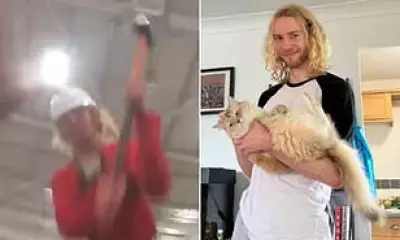
Activists like Jamie Moyes, reportedly from Lochcarron, have amplified the backlash through the "Abolish the Guga Hunt" Facebook page, posting videos and material that vilify "Men of Ness" as thugs, omitting context about gannets. The page features hysterical, self-congratulatory content, including a recent stunt where Moyes and a companion scaled NatureScot headquarters in Inverness, dressed in gannet costumes and tied themselves to the roof.

Community Impact and Political Shifts

My cousin Murdo MacRitchie from Skigersta highlights the abuse: "We have been called thugs, animal abusers, wife beaters and many other horrendous slurs. This campaign of terror has seen photos of the men posted online with insults. These are men in one of the safest parts of the world who now fear for their safety and their families' safety."

Jamie Moyes's latest initiative involves a £30,000 fundraiser to protest on Sùla Sgeir if the hunt proceeds this year, aiming to livestream hunters globally—a move that risks dangerous confrontation on the isolated crag.

Pickt after-article banner — collaborative shopping lists app with family illustration

Alarmingly, activists are gaining ground. The Holyrood petition, which should have lapsed with the parliament's dissolution, was carried forward by a committee vote. NatureScot has transferred authority over the guga hunt from its Stornoway office to its main board in Edinburgh, placing approval at the whim of politicians.

Once again, I witness my culture under threat, like a barn ablaze with walls thinning and roof buckling, while outsiders revel in the sparks. We on Lewis are few; those who despise us are many, and our ancient traditions hang in the balance.