Ukrainian President Volodymyr Zelensky unleashed a torrent of frustration and condemnation yesterday, directing his anger towards what he described as Europe's "fragmented" and indecisive stance in the face of ongoing Russian aggression. The fiery speech, delivered to a stunned audience of global political and business elites at the World Economic Forum in Davos, came at an exceptionally sensitive juncture in international peace negotiations.
A Scathing Critique of Continental Inaction
In a powerful and emotional address, President Zelensky accused the European continent of being effectively "lost," criticising its collection of "small and middle powers" for failing to present a united front against bullying tactics. This stark assessment notably echoed frequent criticisms previously levelled at European leaders by former US President Donald Trump, adding a layer of geopolitical resonance to his words.
The Ukrainian leader painted a grim picture of his nation's current reality, nearly four years after Moscow's tanks first crossed the border. He described a country enduring a bitter winter with temperatures plunging to -20°C, all while being systematically starved of energy due to relentless Russian attacks on critical infrastructure.

The 'Groundhog Day' of European Diplomacy
Mr Zelensky launched into a bitter comparison, likening the repetitive cycle of diplomatic forums and unfulfilled promises to the plot of the film Groundhog Day, where a character is forced to relive the same day repeatedly. "No one would want to live like that – repeating the same thing for weeks, months and, of course, for years," he declared. "And yet that’s exactly how we live now."
He pointedly recalled that a year earlier, at the same Davos forum, he had concluded his speech with the plea: "Europe needs to know how to defend itself." With palpable exasperation, he noted that twelve months later, nothing had substantively changed, forcing him to repeat the same urgent message.
Specific Failures and Frozen Assets
The President's critique extended to specific policy failures. He lambasted European inaction over threats against allies, a delayed response to international crises like the protests in Iran, and a fundamental failure to construct a robust deterrent against global bullies. He particularly attacked the collective inability to halt the flow of Russian oil, pursue comprehensive war crimes prosecutions against Vladimir Putin, and – most painfully for Kyiv – the decision to block Ukraine from accessing Russian assets frozen in Europe to fund its own defence.
"Europe loves to discuss the future but avoids taking action today – action that defines what kind of future we will have," Zelensky asserted, capturing the core of his frustration. He warned that if Europe is not perceived as a formidable global force capable of intimidating "bad actors," it will forever be in a reactive position, perpetually catching up to new threats.
A 'Kaleidoscope' of Powers, Not a Unified Front
The heart of Zelensky's argument was that Europe remains a "beautiful but fragmented kaleidoscope of small and middle powers," paralysed by endless internal arguments and unspoken tensions that prevent genuine unity. "Too often, Europeans turn against each other – leaders, parties, movements and communities – instead of standing together to stop Russia," he lamented.
While he welcomed indications that the UK and France were prepared to deploy forces to enforce a potential peace deal, he stressed that no security guarantees would be viable without the crucial support of the United States and President Trump.
Diverging Diplomatic Tones Amidst Ongoing Attacks
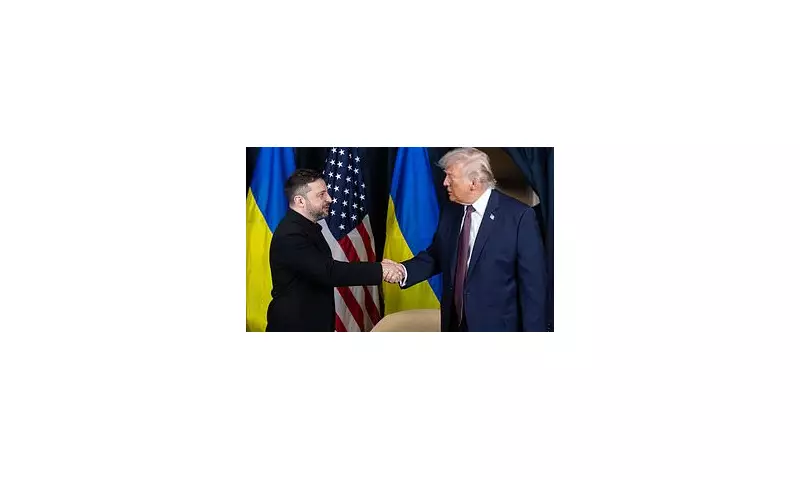
The speech followed a private, hour-long meeting between Zelensky and Donald Trump in Davos, which both leaders described positively as "very good" and "productive and meaningful." However, the diplomatic atmosphere revealed clear fissures.
US envoy Steve Witkoff struck an optimistic note regarding the upcoming trilateral peace talks between Ukraine, the US, and Russia, scheduled for Abu Dhabi. "We’re at the end now and I actually am optimistic. I think we’ve got it down to one issue… it’s solvable," he told a Ukrainian breakfast event.

In stark contrast, NATO chief Mark Rutte and Britain’s national security adviser Jonathan Powell offered far more cautious assessments. Mr Rutte urged the international community not to "drop the ball" on Ukraine, emphasising that cities like Kyiv, Kharkiv, and Lviv continue to be hammered by Russian missiles and drones daily. He stressed that while peace talks were welcome, Ukraine needed military interceptors and support "tomorrow."
Mr Powell underscored the challenge posed by Vladimir Putin's indecisive nature, describing him as a "judo player" who keeps his options open. "He’s very indecisive... So what we have to do is apply pressure on president Putin – financial pressure, military pressure and have a deadline where he has to make a decision," Powell stated, adding that a resolution would not be imminent.
As the forum concluded, the diplomatic push continued, with US envoys Steve Witkoff and Jared Kushner departing Davos for Moscow to engage in further direct talks with President Putin, even as the war raged on Ukrainian soil.