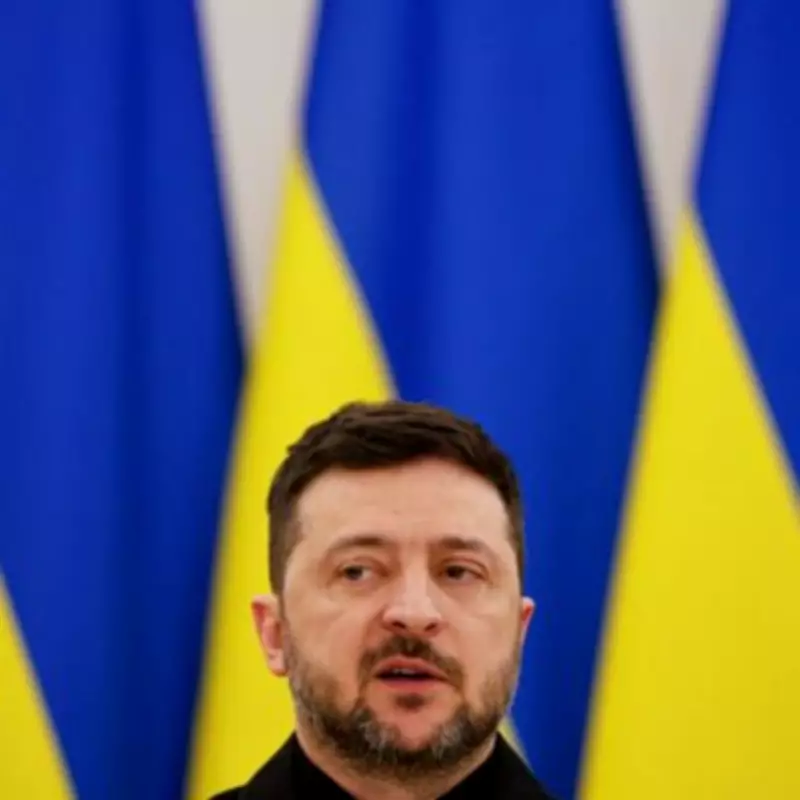
Zelensky Labels Putin a 'Nuclear Terrorist' Following Devastating Attacks on Energy Infrastructure
Ukrainian President Volodymyr Zelensky has launched a scathing condemnation of Russian leader Vladimir Putin, branding him a "nuclear terrorist" following a series of coordinated drone and missile assaults on Ukraine's critical energy facilities. The attacks, which occurred on Friday night, specifically targeted infrastructure essential to the operation of the nation's nuclear power plants, forcing emergency shutdowns and drastic reductions in power generation.
Critical Nuclear Facilities Forced Offline Amid Freezing Conditions
Zelensky described the Russian offensive as "an attack that no terrorist in the world has ever dared" to execute, highlighting the grave risks posed to nuclear safety. According to official statements, the strikes damaged high-voltage substations, compelling nuclear facilities to discharge power and cease normal operations. One plant was completely shut down as a direct consequence of the bombardment.
DTEK, Ukraine's largest private energy company, confirmed the severe impact, stating that nuclear power plants were forced into emergency procedures due to the substation damage. This has resulted in widespread power outages across multiple regions, with residents in the capital, Kyiv, reportedly receiving electricity for only 90 minutes to two hours at a time.

Humanitarian Crisis Deepens as Temperatures Plummet
The energy grid attacks have exacerbated an already dire humanitarian situation, with forecasts predicting temperatures could drop as low as -25°C in the coming days. Kyiv Mayor Vitali Klitschko warned that the capital faces "extremely challenging" conditions, citing severe frosts and the "extremely difficult situation" within the national energy system following the latest massive enemy strike.
Beyond the energy crisis, the conflict continues to inflict a heavy civilian toll. Over the last 24 hours, 577 strikes targeted 30 settlements in the Zaporizhzhia and Polohy districts, resulting in one fatality and eight injuries, according to regional military administration head Ivan Fedorov. In the Dnipropetrovsk region, a 10-year-old boy was injured during overnight shelling, while two people were killed in the Donetsk region's Kindrativka on February 7.
US Proposes Summer Deadline for War Resolution
Amid the escalating violence, diplomatic efforts are intensifying. President Zelensky revealed that the United States has set a June deadline for Ukraine and Russia to reach an agreement to end the nearly four-year war. He indicated that if this timeline is not met, the Trump administration is likely to apply significant pressure on both parties to secure a resolution.
"The Americans are proposing the parties end the war by the beginning of this summer and will probably put pressure on the parties precisely according to this schedule," Zelensky stated during a press briefing. He added that the US has proposed hosting the next round of trilateral talks in Miami next week, marking the first such meeting on American soil, to which Ukraine has confirmed its participation.
Stalemate Persists on Key Conflict Issues
Despite these diplomatic overtures, fundamental disagreements remain entrenched. The latest US-brokered talks in Abu Dhabi failed to yield a breakthrough, with both sides maintaining mutually exclusive demands. Russia continues to insist on Ukraine's withdrawal from the Donbas region, where intense fighting persists—a condition Kyiv has unequivocally rejected.
Zelensky reiterated Ukraine's firm stance, asserting, "'We stand where we stand' is the fairest and most reliable model for a ceasefire today." He also expressed skepticism regarding a US compromise proposal to transform the Russian-coveted Donbas into a free economic zone, noting divergent views on its implementation. Furthermore, no common ground was reached on managing the Russian-occupied Zaporizhzhia nuclear plant, a persistent point of contention.
As the conflict enters another brutal winter phase, Zelensky's impassioned appeal for the international community to ensure Russia "feels the response of the entire world" underscores the escalating stakes, with nuclear safety and civilian welfare hanging in the balance.