
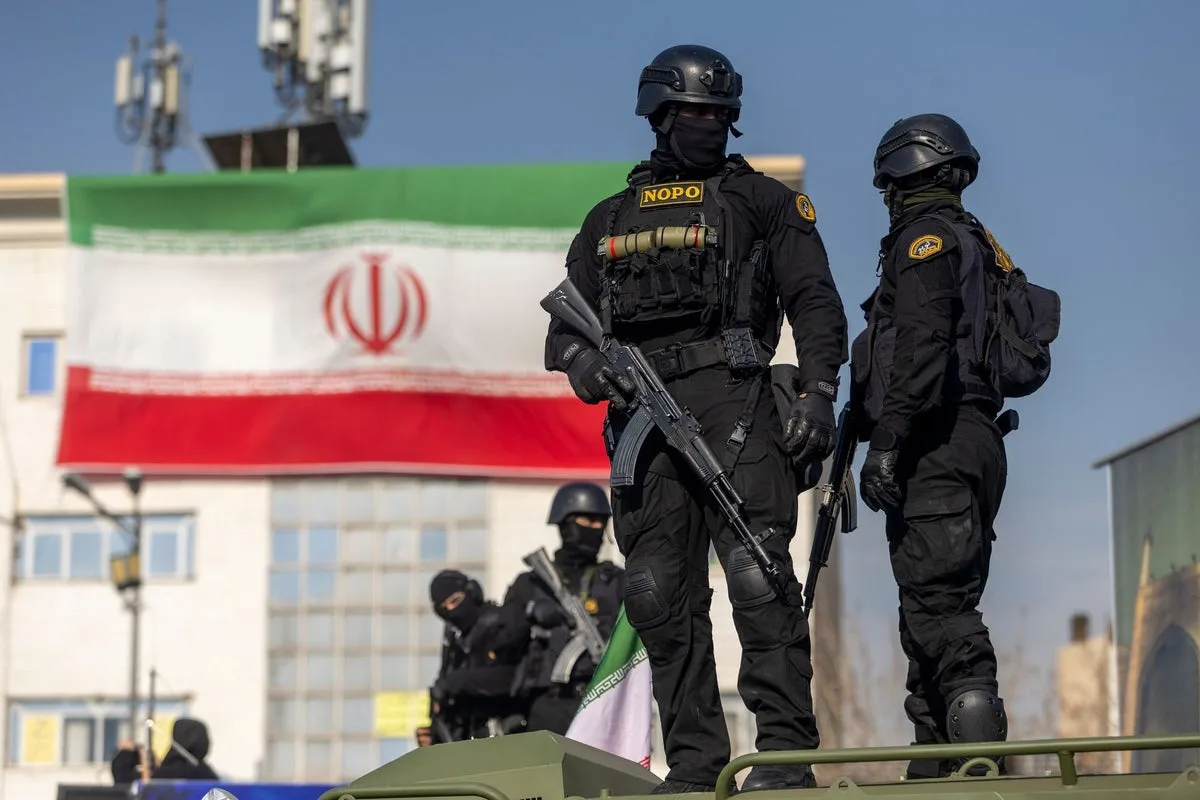
Reports of a growing US naval presence in the Gulf have sparked speculation that Washington could be preparing for another Middle East war, this time with Iran. President Donald Trump has warned of “serious consequences” if Tehran does not comply with demands to halt uranium enrichment, curb its ballistic missile programme and end support for regional proxy groups.
Despite the familiar language of escalation, much of what is unfolding appears closer to brinkmanship than preparation for war. Trump’s electoral appeal, both in 2016 and 2024, has rested heavily on a promise to end America’s “forever wars” and avoid costly overseas interventions. Iran represents the very definition of such a war: any all-out conflict would likely be long and drag in other regional countries. For a president whose political brand is built on restraint abroad, war with Iran would contradict his foreign policy narrative.
Iran’s strategic posture is rooted in decades of preparing for this scenario. Since the 1979 revolution, Tehran has invested in asymmetric capabilities: ballistic and cruise missiles, regional proxies, cyber operations and anti-access strategies. Anyone who attacks Iran would face prolonged and escalating costs. Comparisons to Iraq in 2003 are misleading: Iran is larger, more populous, more internally cohesive and far more militarily prepared for sustained confrontation.
The US has the capacity to start a conflict, with an annual defence budget approaching $900 billion, but the challenge lies in sustaining one. The wars in Iraq and Afghanistan cost an estimated $6 to $8 trillion when long-term care and interest are included. A war with Iran would almost certainly follow a similar, if not more expensive, trajectory. The opportunity cost is also greater: as the US focused on counterinsurgency, other powers like China and India invested heavily in infrastructure and technology.
Iran’s geographic position compounds the risk. Sitting astride key global energy routes, Tehran can disrupt shipping through the Strait of Hormuz, driving oil prices higher and feeding inflation. For the US, this would mean higher consumer prices and reduced economic resilience at a time when strategic focus is needed. There is also a danger that military pressure could backfire politically, despite domestic dissatisfaction with the Iranian regime.




